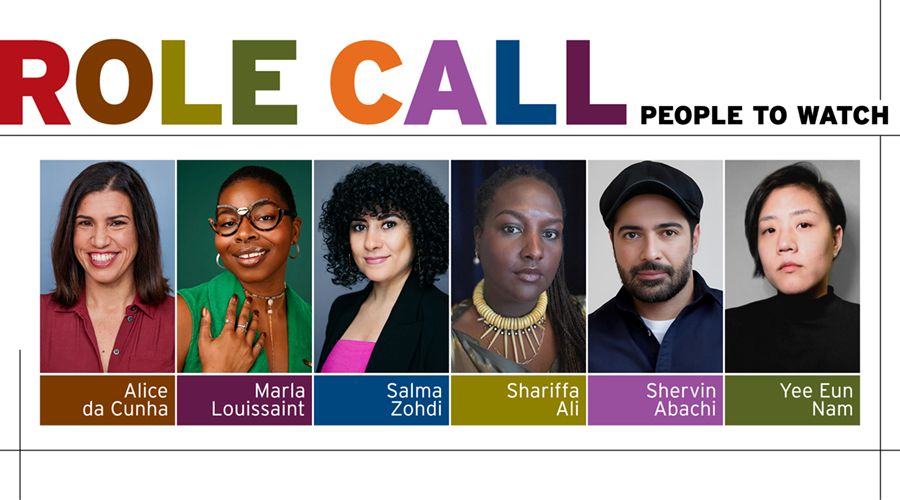
Our newest edition spotlights immigrant theatre workers as a companion feature to our recent Summer issue. If you would like to recommend a theatre artist (from anywhere) for a future Role Call, fill out our open Google Form here.
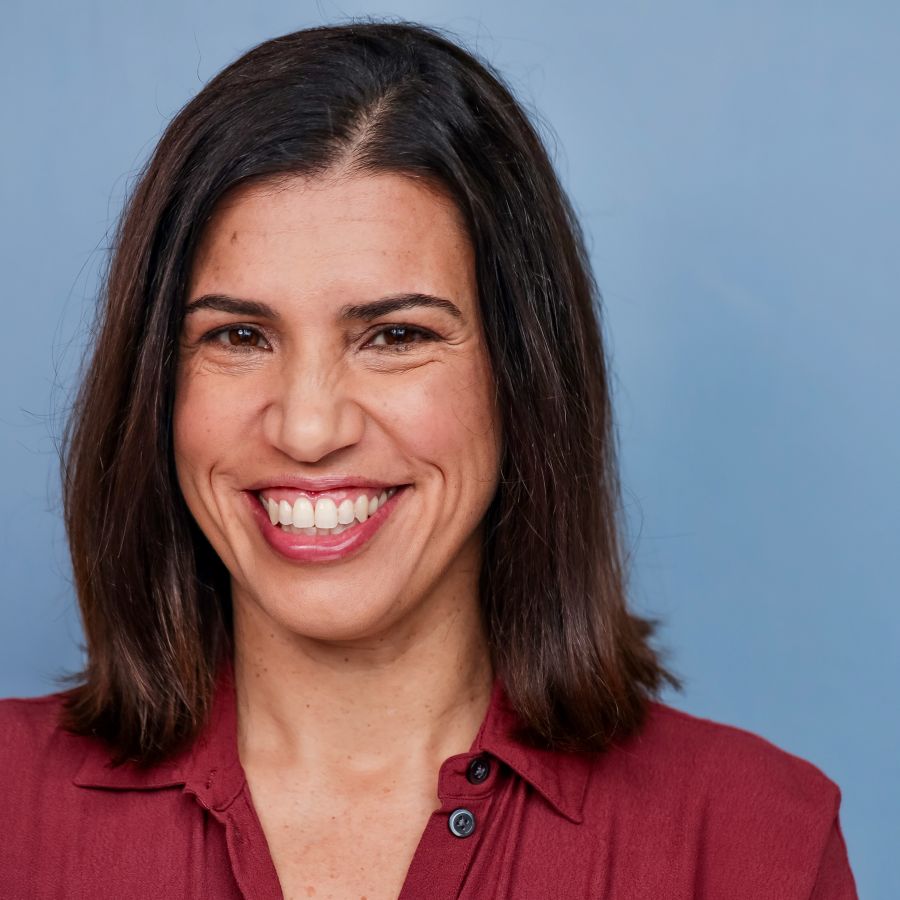
Alice da Cunha (she/her)
Actor, director, producer, and co-artistic director of Physical Theater Festival Chicago
Hometown: Born in Rio de Janeiro, Brazil, grew up in Lisbon, Portugal
Current home: Chicago
Known for: De Cunha is the founder and co-artistic director of Physical Theater Festival Chicago, which has brought virtuosic live performances from around the world to Chicago for the last 12 years and counting. She also co-directed Marvin Quijada’s The Dream King at Chicago’s Teatro Vista and performed in United Flight 232 in Chicago and Miami with House Theater of Chicago.
What’s next: In addition to directing at Loyola University, where she serves as an adjunct professor, de Cunha is currently working on programming the 13th annual Physical Theater Festival Chicago, set for next summer. She will also be co-presenting the third annual Scratch Night, a curated showcase of works-in-progress featuring six innovative Latine theatremakers from Chicago, for the Destinos Festival on Oct. 20. This winter will also see de Cunha dive into devising a new show with a group of fellow artists.
What makes her special: Playwright and educators Emilio Williams, who also serves on Physical Theater Festival Chicago’s board of directors, praised de Cunha for the kindness and smarts she brings to life and her work. “Alice, through her directing, acting, and producing, has brought to the Chicago stage a sense of the theatrical that always wows,” Williams said. “By pushing the envelope on what bodies can do in space, Alice helps any project she gets involved with transcend the limits of the page and of the conventional American stage.”
Looking for theatre’s moments: De Cunha’s work is deeply inspired by the physical theatre training she received at London International School of Performing Arts, as well as by companies like Complicité, Ex Machina, and the artists and companies who submit to Physical Theater Festival, who, she said, constantly challenge and expand the possibilities of what theatre can be and do. “I believe theatre should be, in equal measure, a visual, auditory, and physical experience that moves both the space and its audience,” de Cunha said. “My experience is that theatre is most powerful when it plays to its strengths and offers moments that can only exist in live performance onstage. As a director, curator, and performer, I am always looking for those moments.”
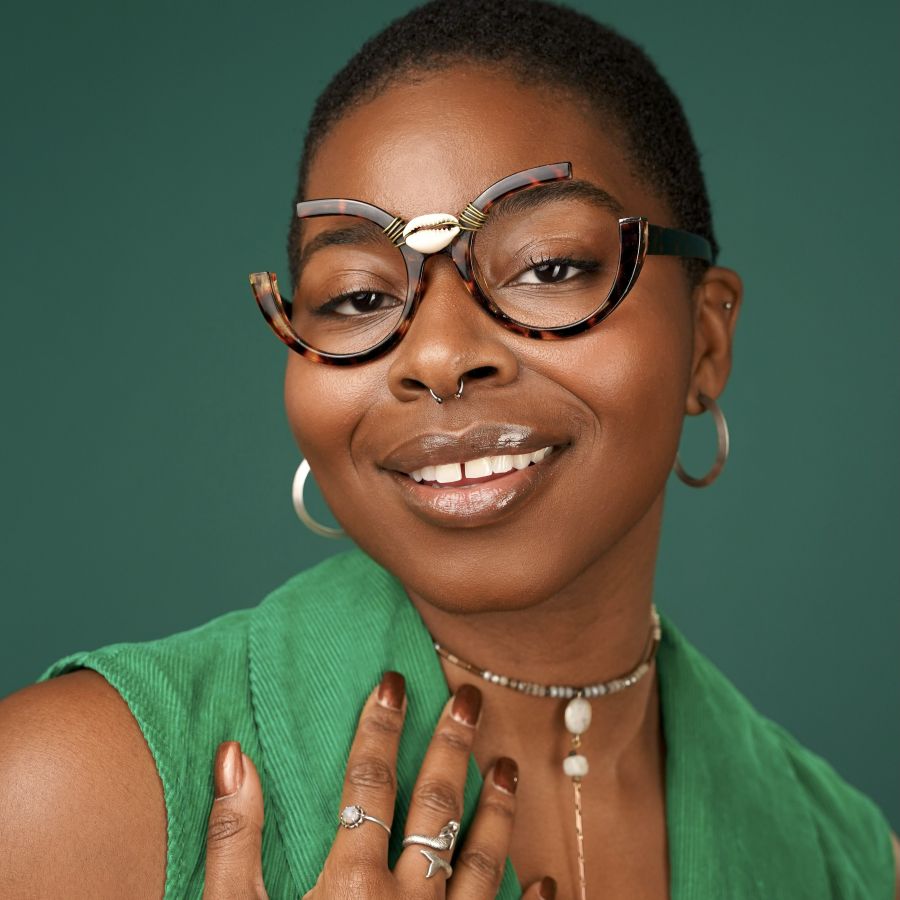
Marla Louissaint (Goddexx, they/them)
(a.k.a. Marla Lou)
Performer, producer and founder of Lakay Productions, community organizer, and founder of Claim Our Space NOW
Hometown: Born in Port-au-Prince, Haiti, raised in Washington Heights, New York City
Current home: Brooklyn
Known for: Louissaint has been seen in Hadestown, both on the first national tour and on the Broadway stage, as well as on the Showtime drama Flatbush Misdemeanors. They were also awarded Best Performance by an Actress at the 2015 Jimmy Awards. In addition to their performing, they also work with Lakay Productions, an African Indigenous-led creative agency and production house in New York City, and Claim Our Space NOW, a collective and intersectional movement designed as a resource and multimedia one-stop shop for information that can educate, motivate, unionize, and mobilize people “in the task of dismantling an intricately woven system that was built to keep black and brown bodies under the foot of white supremacy.”
What’s next: Louissaint is working on the next presentation of their bio-cabaret A Goddess Reborn, which chronicles their “ascent since leaving the Jehovah’s Witness cult to pursue their art, live their queer truth, and fall in continuous lust for the transformation of the ‘outside’ world.” The show aims to “uniquely inspire revolutionary change within audience members in order to transform community for survival, one house at a time.” They are also working on a video series, A Goddess Reborn: The Fated Journey, which will document Louissaint’s journey “into and out from the underground—from seven auditions to claiming space in the world and rewriting Orpheus’s story in this lifetime.”
What makes them special: Fellow artist Pauli Pontrelli, who has directed Louissaint’s A Goddess Reborn, lauded their ability to see “what’s next while the rest of us are catching up. As a performer, producer, and organizer, they have an imagination that is visionary and actionable. Marla brings a momentum to their work that’s rare. I haven’t met anyone like them.”
Toward a better future: “The American theatre is deeply flawed,” Louissaint said, “from the eight-show week to the values of investors and producers aligning with those of the authoritarian state. As a creative producer and luminary building a community towards a sovereign way of life that aligns with Mother Earth’s, as well as all living beings’ needs (how very Persephone of me), I am committed to building new frameworks…We can’t afford to continue doing things the way things ‘always’ have been under colonialism.”
Sign up for the American Theatre newsletter
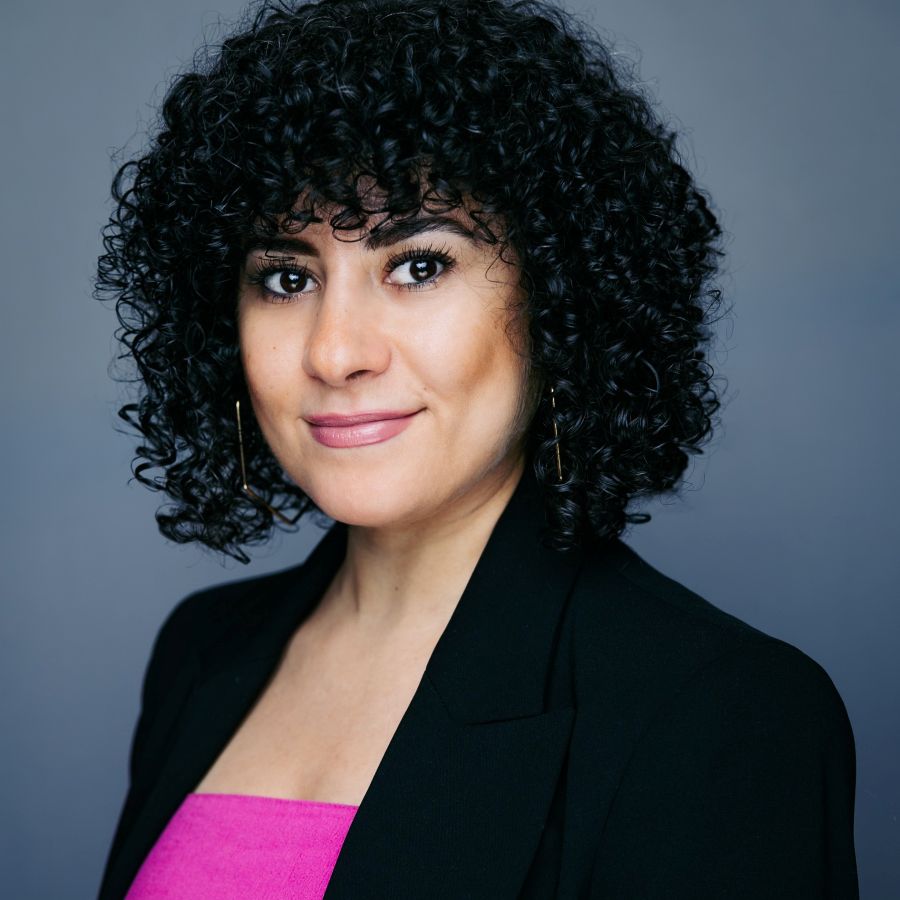
Salma S. Zohdi (she/her)
Dramaturg, creative producer, educator, and theatre administrator
Hometown: Cairo, Egypt
Current home: New York City
Known for: Zohdi is the literary manager at New York Theatre Workshop, an adjunct professor at NYU’s department of dramatic writing, the former director of communications and development at Noor Theater, and a co-founder of Immigrant Theatermakers Advocates, a community of immigrant artists working to create a more just, equitable, and inclusive theatre industry for immigrants in the United States. In addition to being known for her work with MENA/SWANA artists and immigrant artists, Zohdi also co-curated and produced the Global Forms Theatre Festival at Rattlestick Theater in its inaugural years. Her credits include The Mecca Tales, The Yacoubian Building, The Conversationalists, Pilgrims Musa & Sheri in the New World, Silueta, Once Upon a Time Called Now, Drowning in Cairo, House of Joy, Finding Paradise, Travels, and ALAA.
What’s next: Over the past two years, Zohdi has been developing a play with Adam Ashraf Elsayigh about Alaa Abd El-Fattah, the Egyptian blogger and activist who became one of the leading voices of the 2011 revolution by fusing tech and activism. The piece, which Zohdi said is as much about storytelling as it is about advocacy, will weave El-Fattah’s writings with personal testimonials from his family matriarchs. Zohdi is also supporting a wide range of projects throughout NYTW’s season and fellowship and residency programs.
What makes her special: “Salma leads with curiosity and compassion,” said Aaron Malkin, NYTW associate artistic director, theatre & productions. “She’s deeply committed to knowing artists as full people in addition to knowing the art that they make, and she uses that relationship-building to form authentic, rigorous partnerships and nurture necessary plays. As a literary manager, she has the capacity to think expansively about how to best support process and community.” Makin particularly highlighted her work telling the story of the Egyptian uprising of 2011: “Offering her personal experiences with unparalleled generosity, Salma has both advocated for and supported the genesis of multiple pieces that explore the Arab Spring, seeing recent history as an opportunity for reflection and warning in 21st century America.”
Theatre’s present presence: In addition to praising the mentorship of Leila Saad and Mahmoud El Lozy, Zohdi cited the liveliness of theatre and how each experience is unique to each night, audience, and moment in time as her inspiration. “Theatre is always in response to the now, in conversation with what’s happening in the world around us” Zohdi said. “Another continuous inspiration for me is the belief that theatre has the power to spark dynamic and much-needed conversations. It doesn’t always have to provide answers. Sometimes the most powerful work raises questions or stirs wonder. For me, that act of questioning is already a way of challenging the status quo, whether socially, politically, or artistically. That’s the kind of theatre I aspire to make space for.”
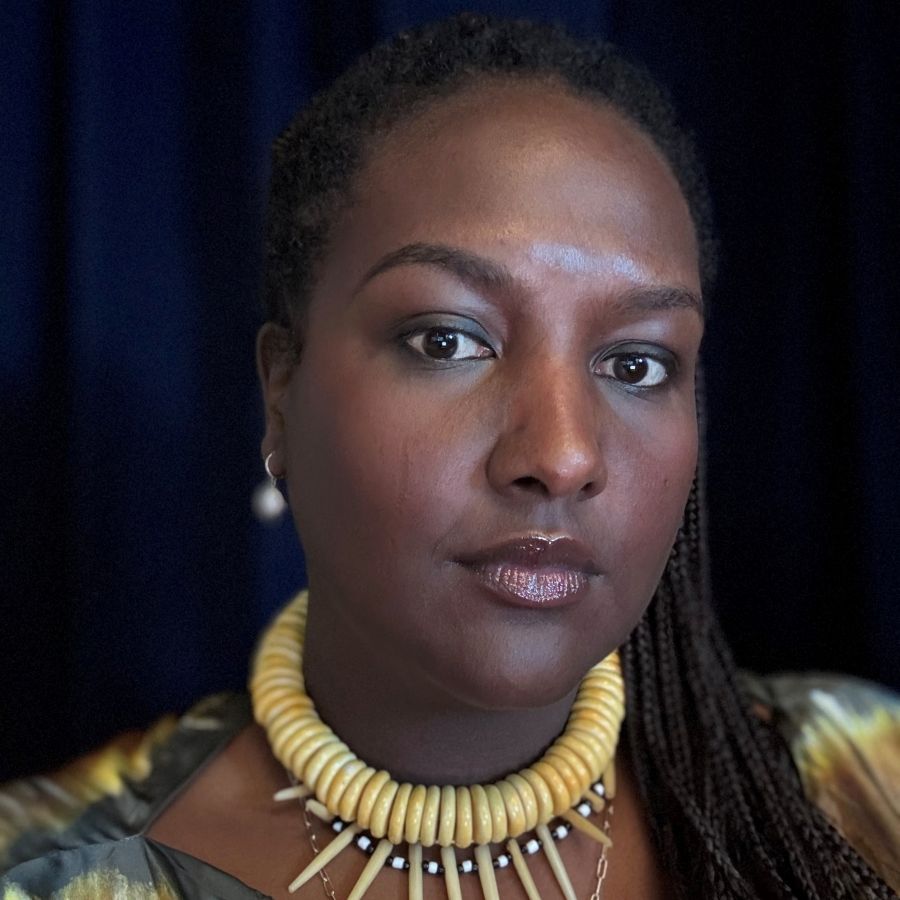
Shariffa Ali (she/her)
Director, filmmaker, professor, and creative storytelling consultant
Hometown: Born in Kenya, raised in Eswatini and South Africa
Current home: New York City
Known for: Ali is a multidisciplinary artist whose practice spans theatre, film, virtual reality, and community-driven projects. As a director, she has worked Off-Broadway (Mies Julie and minor.ity) as well as at regional theatres and universities across the country. Ali created and co-led the Electric Root Festival, devoted to community building through music, art, and gathering. In 2023, she brought together performers of many ages and backgrounds to direct them in Public Works’ large-scale community production of The Winter’s Tale at Princeton University, where she serves as a professor of theatre. Ali’s background also includes working as a creative storytelling consultant with the United Nations Development Programme, as director of artistic projects at the New Group, and as the creator of intimate works about self-neglect, the body, Blackness, and nature with furloughed theatre workers and filmmakers during the pandemic closures. Her short You Go Girl! premiered at the Sundance Film Festival and received a Grand Jury Award nomination.
What’s next: This fall, Ali is directing debbie tucker green’s nut at Juilliard. In addition to continuing to develop her own theatre, film, and immersive storytelling projects, Ali is also gearing up to direct the yet-to-be-announced world premiere of a new play.
What makes her special: Jane Cox, a Tony-winning lighting designer who serves as director of Princeton University’s program in theatre and music, marveled at Ali’s imagination and presence, both as a teacher and as a director. “Shariffa delights in creating a room in which all members feel celebrated and invited to bring their best selves to the table,” Cox said, adding, “Shariffa is an immensely imaginative director with real visual flair. She understands how to work with bodies in space to create emotionally compelling theatre, and can work with design, even on a small budget, to create exciting visual storytelling.”
Planting the seeds: “I see theatre as a rehearsal for humanity,” Ali said. “It is a place where we imagine what does not yet exist and prepare ourselves for the world to come. My vision of theatre is expansive. It includes Off-Broadway premieres, community musicals with casts spanning generations, festival-making, film, VR storytelling, and international collaborations. Across all of these, my work is heart-centered, joyful, rigorous, and rooted in community. I do not see myself solely as a theatremaker or storyteller. I see myself as a seed planter of possibility, convinced that ideas, once imagined and nurtured, can grow into futures where equity, care, and creativity guide us.”
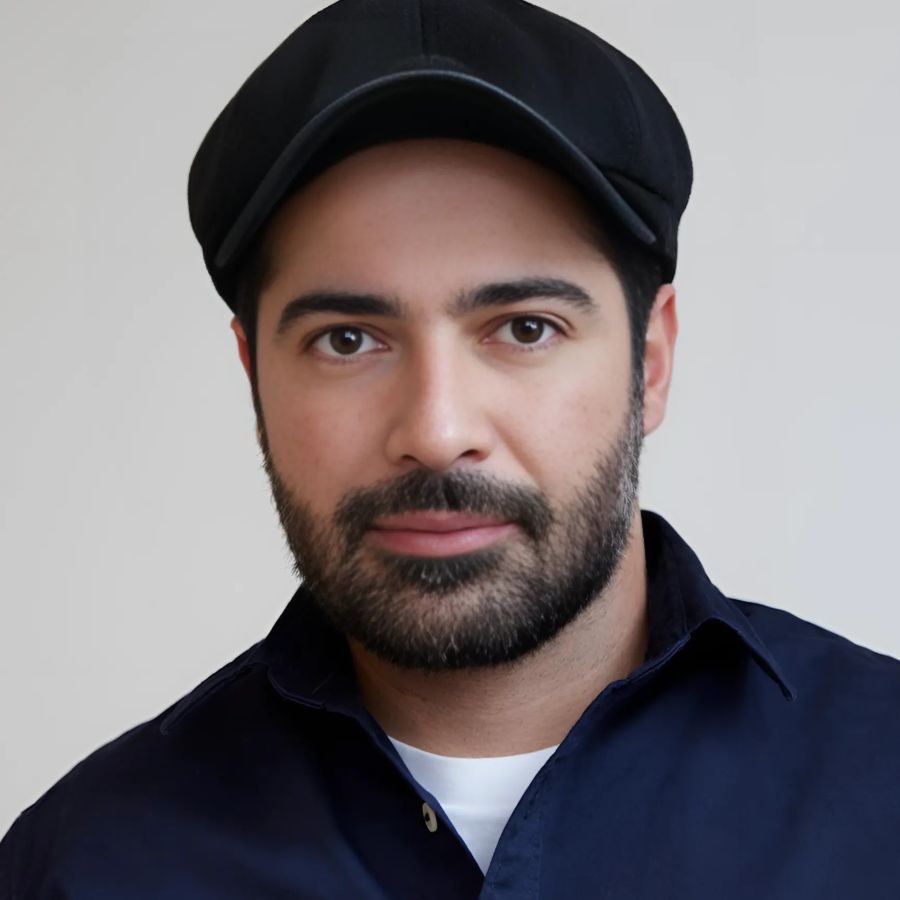
Shervin Abachi (he/him)
Artist advocate, entertainment and immigration attorney, producer, and culture worker serving international artists and theatremakers
Hometown: Tehran, Iran
Current home: Jersey City, N.J., and Brooklyn
Known for: Abachi is the founder and managing attorney of Abachi Law LLC, where he counsels international artists, ensembles, and producing organizations on artist visa matters (O, P, EB-1, and EB-2/NIW), alongside contract negotiation, copyright, trademark, and fair-use strategy. Since 2020, he has served on the board of Big Dance Theater (BDT), a nonprofit renowned for weaving dance, text, music, and visual design into rigorously inventive performance. He has provided legal representation to more than one hundred immigrant theatre artists, multiple productions, and producing organizations, ensuring their work could take shape on U.S. stages, and he has produced and organized cultural events across New York City, creating platforms that bring immigrant voices directly to audiences. Among these initiatives is Immigrant Night for Maia Novi’s dark comedy, Invasive Species, presented in partnership with the Immigrant Theatermakers Advocates (ITA) and The Bridge and Tunnel, the 501(c)(3) he co-founded to amplify underrepresented artists and expand access to the stage.
What’s next: At Abachi Law, he is expanding direct services and practical resources for immigrant artists and theatre workers: rapid screenings, plain-language workshops for producers and general managers, and rehearsal-room-ready guides that translate itineraries, deal terms, and evidentiary standards into actionable steps. In parallel, through The Bridge and Tunnel, he is building programs that pair public conversation with material support—community nights, legal-literacy sessions, and matchmaking among artists, presenters, and audiences—to move artists from “possible” to “present” on U.S. stages.
What makes him special: “Shervin took on my green card case after two previous lawyers declined to, seeing potential where others saw risk,” said Francisco Mendoza, co-founder of the Immigrant Theatermakers Advocates, “and he got it approved! A lot of attorneys tend to replicate the immigration system’s barriers by sticking only with sure winners, but being an immigrant himself, Shervin approaches visa cases with ingenuity. I cannot overstate how important it is, in the sea of ‘nos’ that is the journey to coming, staying, and working in America, to find a partner who says ‘yes, and.’”
Instruments of freedom: Shervin believes a rehearsal room is a small republic: Risk is welcomed, dissent is protected, everyone’s labor is legible. His practice treats advocacy, production, and representation as three movements of one score. “Advocacy secures the conditions—visas, contracts, the right to stay and make,” Abachi said. “Production gathers a public around the work so the art can breathe beyond the studio. Representation ensures that credits, compensation, and ownership match the value created, because the archive remembers what the contract records.” In his view, a petition is dramaturgy for a life in art, and a contract is choreography for dignity; done with care, both become instruments of artistic freedom rather than obstacles.
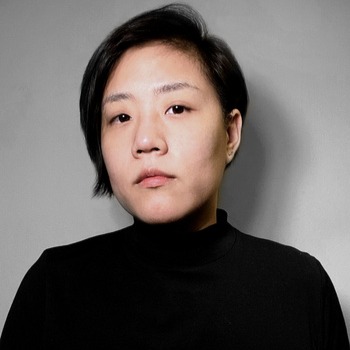
Yee Eun Nam (she/her)
Projection Designer
Hometown: Seoul, Korea
Current home: Los Angeles
Known for: A visual artist and theatre designer specializing in live performances and digital media, Nam studied painting, sculpture, video design, and metal craft. Recent projects include X: The Life and Times of Malcolm X at the Metropolitan Opera, Yellow Face on Broadway at Roundabout Theatre Company, A Transparent Musical at Center Theatre Group (CTG), Once Upon a (Korean) Time at Ma-Yi Theater Company, and Long Day’s Journey into Night at Audible Theater.
What’s next: She’s designing the projections for Zoë Kim’s autobiographical Did You Eat? (밥 먹었니?), set to run at the Public Oct. 14-Nov. 9.
What makes her special: “Whenever we work together, I am in awe at how she finds the perfect aesthetic that enhances the storytelling while still bringing her unique contemporary lens to the play,” said designer Tanya Orellana, who has worked with Nam on projects like On Gold Mountain (the Huntington, 2022) and Oedipus (Getty Villa and Deaf West Theater, 2022). “The worlds she creates onstage are inventive, textural, and emotional, and invite the audience to see their everyday lives reflected back at them…Her work is deeply meaningful, visually stunning, and it brings an exciting point of view that always pushes the boundaries of traditional expectations.”
An early turning point: Nam’s first job in theatre was in 2015 when she was working on an experimental piece called Generation Sex with L.A.’s Latino Theatre Company. She was behind both the scenic and projection design for multiple omnibus stories, while also painting, sewing, hanging scenery, and climbing ladders to rig projectors. “For a few weeks, I practically lived inside the theatre,” Nam recalled, “pouring everything I had into building that world. On opening night, I found myself perched on a small ladder beside the dusty booth, staring at rows of empty chairs just moments before the audience arrived. I was nervous, exhilarated, and completely broke but I had never felt more alive. That production is still one of my favorites because it was where I first broke rules, trusted my instincts, and discovered what it meant to create with my bare hands. That project became a turning point, leading me into experimental theatre and projection design. It showed me that space and visuals could be more than background—they could shape the arc of a story and mirror a character’s emotional journey. That revelation continues to define my aesthetic and artistic practice today.”
Support American Theatre: a just and thriving theatre ecology begins with information for all. Please join us in this mission by joining TCG, which entitles you to copies of our quarterly print magazine and helps support a long legacy of quality nonprofit arts journalism.