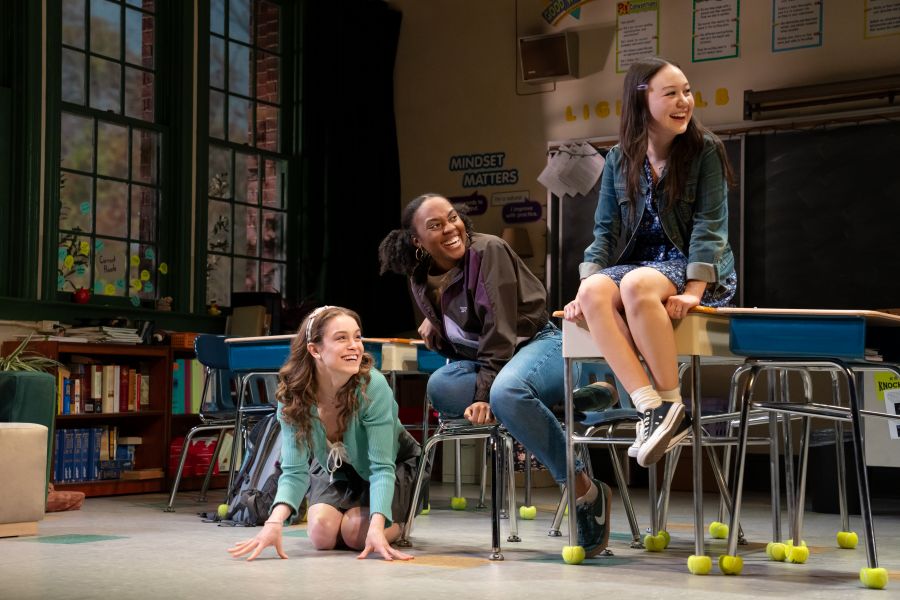
As it is for a lot of theatre kids, school was often a tough place for me socially, for many reasons. I was nerdy, somewhat shy, called a goody two shoes—you get the idea. When I was a sophomore in high school, my family moved, so I changed schools, which only led to new levels of social ostracization. However, at my new school the one elective that wasn’t full in the middle of the semester was the Introduction to Theatre class. By the end of the academic year, for our final, I was playing the Queen of Hearts in Alice in Wonderland.
My high school theatre teacher recognized my talent and encouraged me to continue taking classes, so I did and was cast as Regan in King Lear my junior year. I performed at a one-act competition and dove deep into the world of thespian conferences and drama clubs. (Honor Thespians, unite!) In the theatre, I found a place where my eccentricities could dance with other people’s eclecticism, and it was okay. Even when I went to college, I considered transferring to another university until I was cast in the theatre department’s production of Real Women Have Curves. Some of my castmates became friends, and I found a respite on a campus where I felt invisible most days.
When I think about what led me to theatre and what keeps me here, it’s about a sense of belonging. I truly believe that stories are powerful tools for connection, no matter how we engage with them. Stories help us see ourselves and others more clearly. Reading A Raisin in the Sun in high school, I saw myself in Beneatha, a young Black woman whose vision for her life went far beyond her reality. Seeing London Assurance at the National Theatre when I studied abroad started my love for plays of manners. Directing Dearly Beloved in the style of the film Kingdom Come my senior year of college reminded me that the keyword in the theatre is “play.”
Seeing the play Indecent not only opened my imagination as a writer but also introduced me to a lesser-known incident at the intersection of antisemitism and homophobia. Ragtime and In the Heights were the first musicals to truly wow me with the ways they portrayed underrepresented communities. Ruined and Between Riverside and Crazy force us to love unlovable people in a way that isn’t easy, but completely worthwhile in the end. And I felt like Kimberly Belflower must have been a fly on the wall in my high school classrooms after seeing the character Nell in John Proctor Is the Villain on Broadway.
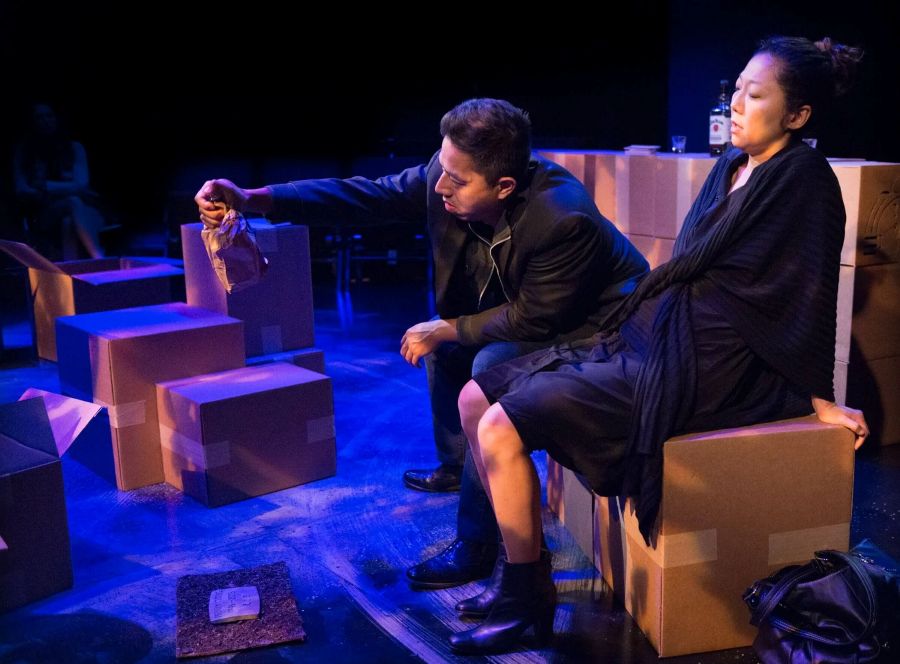
It’s not just high-profile Broadway shows. When I think of plays that opened my heart and mind over the years, I also think of Sheltered by Alix Sobler, Woke by Avery Sharpe, The Magic Negro and Other Blackity Blackness by Mark Kendall, The Homecoming Queen by Ngozi Anyanwu, Behind the Sheet by Charly Evon Simpson, and The Two Kids That Blow Shit Up by Carla Ching.
The sum of my time in the theatre is not only that I found a place to belong, but also that I became a more sympathetic and empathetic human being who on my best day extends that sense of belonging and embrace to others.
We are living in yet another time when censorship and fear are coming down hard on this art form. Funders are afraid of losing political and social clout for supporting theatre. MFA programs seem to be closing as fast as the nation’s borders. Anti-LGBTQIA+ politicians and pundits call theatre an indoctrination machine. In May, a Georgia high school was forced to cancel a production of The Crucible. Just last month, a group of 60 high schoolers in Arizona had to defend their ability to have membership in the International Thespian Society and other trade organizations.
There are days where I fear we have lost the core—that we are so distracted by scarcity, politics, and various “isms” that we forget that every day in America there is a child (because teenagers are indeed children) who just needs a place to find their voice, make friends, and get through the day. With cuts to an already strained public education system and the increased cost of extracurricular activities, I have to fight the fear that there will be fewer theatre kids in our not-so-distant future. What we owe to the next generation is that there should be a theatrical ecosystem for them to inherit, improve, and build upon. I expect theatre to be better than the world, unreasonable as that may be.
I suspect I am not alone in theatre providing me a soft place to land when I most needed it, as well as an imagination space and a portal for dreams to fly. To be an artist is to accept that you are called to operate at a higher level of consciousness; that knowing can be a lonely place. My hope is that before we toss the next hot take out on the internet or make enemies of our neighbors, we remember that the youth are watching. They need us to enact justice, not exacerbate madness. To me, that looks like getting out of our siloes and out into our neighborhoods by writing letters and calling representatives; attending school board meetings; volunteering at local schools and community centers; making connections and resources at your disposal available to those who are doing the work; and being the change we wish to see.
The next generation needs places to belong, and in the theatre, for me, that is our highest calling.
Kelundra Smith is TCG’s director of publications.