What is your first artistic memory? We at American Theatre love to ask folks what moment in their youth generated that first spark, what title infected them with the theatre bug. When it comes to the theatre, I recall dancing in the aisles during habitual outings to theatre for young audiences in Rio and, as a toddler, proclaiming I’d make theatre for a living. When I came to the U.S., my love for language and the written word blossomed with The Magic Tree House series and Beatrix Potter books. For some time various theatrical organizations have been fusing these mediums to capture the imaginations of new generations with fantastical page-to-stage shows, created by generous artists determined to empower youth and keep the magic alive. Inspiring me this month in Dramática are the nationwide Magic Tree House On Stage and the local Chicago Children’s Theatre.
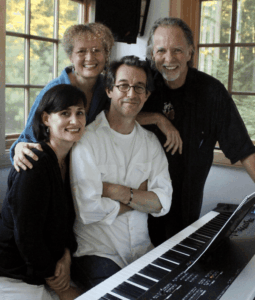
Considering that I read and reread all the Magic Tree House books growing up, you can imagine my delight when, at the 2025 TYA/USA Conference, I got to encounter the thriving Magic Tree House On Stage initiative and learn more from its passionate team members. Among them are the effervescent, humble genius Mary Pope Osborne, author of the original books; her multi-hyphenate, music-making husband Will Osborne; versatile multigenre composer Randy Courts; and prolific playwright Jenny Laird (who also happens to be Courts’s wife). The two couples, all dear friends and Berkshires neighbors, speak of one another with profound admiration and demonstrate a fierce commitment to the books’ spellbinding spirit.
For the uninitiated, the Magic Tree House series follows the journeys of siblings Jack and Annie via a mysterious, book-filled treehouse that whisks them from Frog Creek, Pennsylvania, to time-traveling adventures around the world—and somehow returns them home in time for dinner. Mary’s nearly 70 fiction books include the original series, magical Merlin Missions for experienced chapter book readers, and a special edition. In addition, Jenny adapted eight of the original into graphic novels alongside illustrators Kelly and Nichole Thomas Matthews, and Mary, Will, and Natalie Pope Boyce have collaborated on a combined nearly 50 nonfiction “Fact Trackers,” which offer companions to each of Jack and Annie’s adventures. While they’re all still typing away on new volumes, there’s also an animated series in the works and, for now, 10 stage shows.
Said Mary, gesticulating with fairytale flair, “I feel like we’re a bunch of elves doing Magic Tree House. Randy and Will renovated a stable that was on Randy and Jenny’s property, not far from us, and made it into a solid music studio that overlooks the hills and pastures. It’s called the Frog Creek Barn, and that’s where they do a lot of work together on the shows. It adds to this surreal feeling!” After a degree in religious studies and some global adventures of her own, Mary launched the series in 1992, hoping to transport kids around the world, introducing them to different cultures and histories through books. Once parents started telling her about the books’ impact on their kids—encouraging literacy and inspiring excitement to learn—Mary accelerated her writing process and felt determined to give even more to young readers.
“We just live in service of trying to serve the spirit and ethos. It’s really Mary’s heart that makes the books so beautiful,” said Jenny, when the author quipped that this creative team “works so hard, and I get so much credit!”

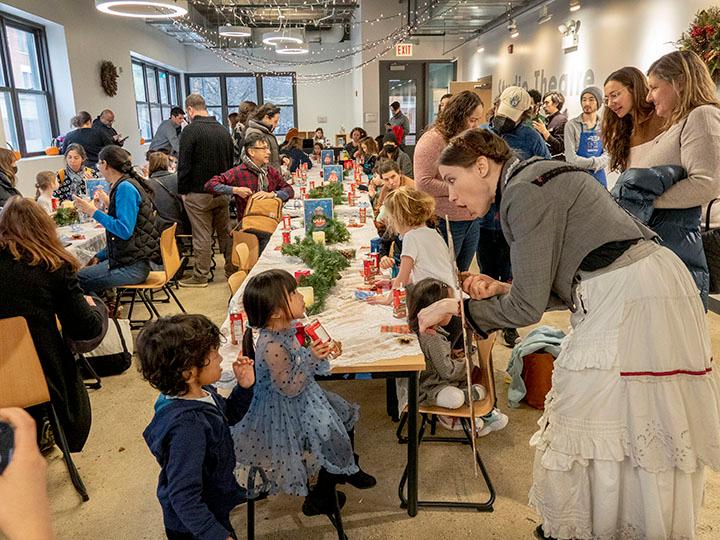
While Jack and Annie lend a hand throughout global history, young protagonists of beloved children’s books are also taking matters into their own hands at Chicago Children’s Theatre. You may remember the Beatrix Potter books, Frederick, Goodnight Moon, or Mother Goose nursery rhymes. What CCT’s adaptations strive to do is empower young people even more by having the kid protagonists join with participatory audiences to solve the problems of each story. For their 20th anniversary season, CCT has been celebrating an artful, accessible legacy with some “greatest hits”: colorful adaptations of two picture books, seasonal favorite The Beatrix Potter Holiday Party, a multimedia collaboration with Natalie Merchant and Chicago Symphony Orchestra called Cabinet of Wonder, and the first Chicago Sensory Theatre Summit.
The company, founded by artistic director Jacqueline Russell and Todd Leland, has proven a strong commitment to sensory and accessible theatre, new work (with over 20 world premieres), and playful experimentation with form when adapting classics. They’ve collaborated with companies like Manual Cinema, known for multimedia puppetry performances; produced full seasons of premiere professional TYA with shows that have gone onto other major venues around the country; created classes and workshops for young people of all abilities and ways of thinking/processing the world; and have pivoted when necessary (such as during the pandemic) to serve the needs of their community. In all their work, they let children and play guide the way. “It’s theatre for these people—that’s why we do it,” said Russell.
If CCT were to concoct a potion for the perfect page-to-stage adaptation, a child’s eye and a sense of play would definitely be key ingredients. What about the pressure of doing the original source material justice? Their approach is similar to that of MTH: It’s all about the spirit. “We get to the essence of the story,” said Jacqui Russell.
From April 12 through June 7, beloved Chicago director Mikael Burke will present an immersive Goodnight Moon (based on the original Margaret Wise Brown book with illustrations by Clement Hurd), using an adaptation with book, music, and lyrics by Chad Henry that CCT produced several years ago. His version goes further, welcoming audiences right into the Great Green Room as soon as they enter the theatre.
This slumber party is all about the spirit of the original. The director explained, “I am less interested in a sort of facsimile of the source material, and more interested in the imaginative act of seeing something that is representative, suggestive, reflective of that source material, and then in our own imaginations, connecting the dots.” Mikael Burke grounds process in the original intent and impact of source material—asking himself what could inspire those same feelings of innovation and warmth in a contemporary, live context.
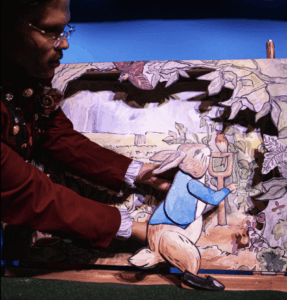
Will Bishop also began his process on The Beatrix Potter Holiday Party in a reflective place, leading with feeling and guiding the original story to a new structure. He began development for this annual Chicago staple more than a decade ago, along with Lara Carling, Kay Kron, Grace Needlman, and Ray Rehburg. They set out to design a show with scenery and puppetry that reflected the charming book illustrations and would fit into reasonable storage and transportation space for nontraditional venues.
The result? A puppet show with boxes that expand, contract, and fold out to reveal exciting plot elements and scenery. Two performers manipulate toy theatre-style puppet characters brimming with personality, and a one-man-band akin to Dick Van Dyke provides sound and song to each story. Every year, the team switches up which stories will be told from the Beatrix Potter collection, but every year they end with a favorite: Peter Rabbit. Will Bishop cited audiences’ delight in recognizing characters they love, laughter as they make mistakes (like the kittens letting their good tea party clothes get dirty and torn), and audible commentary on the world of each animal tale.
“These stories have always been really meaningful. I’m secretly British!” the creator said with a laugh. “What I really love is that these stories function at two levels: The characters are amazing archetypes of 19th-century British culture, but they’re also great characterizations of how those animals really function on a farm in the U.K.”
Themes? Check. Laughter? Check. Play? All the way. While Russell, Burke, and Bishop discussed the sheer fun they get to enjoy through the process, they also noted that young audiences can be the toughest critics.
“The audiences are so honest,” said Mikael Burke. “If they are into it, they are into it 100 percent. And if they’re not, they are not into it 100 percent! It’s really humbling, but also really exciting.”
At CCT, unlike at many “grown-up” theatres, reactions from the audience are encouraged. This is the beauty of a TYA theatre with a long background in access: The welcoming of audiences’ whole beings begins before the show starts and doesn’t end when the curtain closes. In addition to Red Kite Project offerings, this year’s Sensory Theatre Summit promises to encourage further exploration around sensory, immersive, and new tactics for inclusive performances, autism-friendly drama classrooms, interactive early childhood play, and even healing in hospitals.
Because of my own family’s experience with disability, I like to remind people that disabled kids grow into disabled adults, and indeed these vital offerings benefit a large population beyond the young or very young. We may have left peak pandemic times, but CCT understands that continued need for safe, accessible storytelling in the digital age. The multimedia website Cabinet of Wonder (be sure to click through!) is a new one-stop-shop for entertaining and educating through Mother Goose rhymes, inspired by singer-songwriter Natalie Merchant’s experience volunteering as a Head Start visiting artist. Hundreds of creatives contributed to this endeavor, including “Miss Natalie,” the Chicago Symphony Orchestra, Manual Cinema, and a team of early childhood educators. Head Start is also partnering with Cabinet of Wonder to disseminate the project’s curricula nationwide. From anywhere, the young and young-at-heart can now experience these rhymes anew, reimagined into catchy songs, with an easy-to-navigate site of learning, discussion questions, historical background, and gorgeous images by Joe Mazza.
“We just hope children all over the world will get to access that,” said Jacqui Russell.
I myself enjoyed the digital experience for hours on end (and then returned for more…and when the world needed some more light, I clicked through once more). That balm made me wonder who else has been looking to gentle, careful, and brave youth media for hope these days. As is often the case with theatre for young audiences, the demographic impacted is much wider than the genre title suggests. I mentioned this piece’s subjects to a room of undergrads to whom I lectured last week, and postures jolted to joy, voices raised to a chorus of “aw!” One student said, “That was my childhood!”
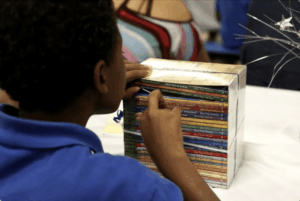
Where has that childhood gone? If a whole childhood lives in a story, doesn’t that mean we can access it again?
When we return to these beloved classics, we give ourselves a present: the presence of our younger selves. We loosen our inhibitions, gasp to relive the wonder we first felt encountering stories that ignited a lifelong love of the arts. Play by play, family show by family show, we root for characters we knew and return to ourselves a little piece of who we used to be. Mary Pope Osborne has seen countless adults run to her with tears in their eyes, expressing how they miss the books. But she says, “You don’t miss the books—you miss what they held. You miss who you were. And you can have that back.”
Gabriela Furtado Coutinho (she/ela/ella) is the digital editor of American Theatre, and a Chicago-based actor, playwright, and poet.