Who founded Premiere Stages, when, and why?
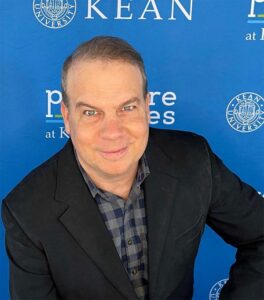
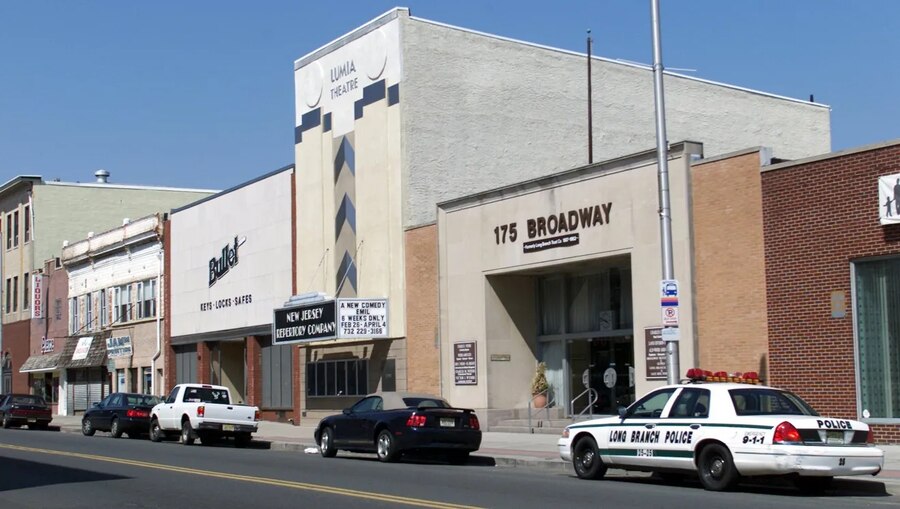
In 2004, I was hired to create a professional Equity theatre company (LOA referenced to LORT) at Kean University, modeled after TheatreFest, the Equity theatre I was then the artistic director of, which was in residence at Montclair State University. Kean University had just added a BFA in Theatre and was looking to develop a built-in program that could afford students opportunities to work with and learn from professionals in the industry, giving them a leg up when graduating. I launched the first season in 2005.
Tell us a little more about yourself and your background.
Before becoming the producing artistic director of Premiere Stages, I was the artistic director of two other companies and was the resident director of two developmental projects for the Academy of Television Arts & Sciences, while also working as a freelance professional director and playwright. My focus as a director and producer has been predominantly on developing and producing new work. I was born in New Mexico and moved around a lot before landing in the New York area, which gave me a chance to interact with and learn from people with differing perspectives.
What sets your theatre apart from others in your region?
Premiere Stages is one of the few theatres left in the nation that guarantees the winner of a festival a fully produced Equity production the following season. We also don’t demand “world premiere” branding, which has afforded numerous playwrights we’ve produced the opportunity to secure an elusive second production. Plays we have developed, commissioned, and produced have gone on to have rolling world premieres through NNPN, something that wouldn’t have been possible had we insisted on calling our production a world premiere.
Tell us about your favorite theatre institution other than your own, and why you admire it.
I have always admired the mission of New Dramatists and the work they do to develop playwrights. For years I would plan a day in December to sit in the ND library as Emily Morse lowered a towering stack of plays in front of me. Some of these writers would go on to become finalists at Premiere.
How do you pick the plays you put on your stage?
Our focus is on topical plays, affording us the opportunity to partner with organizations or groups to offer Q&As about the issues we are exploring, create interactive lobby displays, tap into new communities, etc. Our patrons have come to love plays which they can leave talking and thinking about. Aligning with groups who have a similar focus or mission helps us to both reach and build new audiences.
What’s your annual budget, and how many artists do you employ each season?
Our annual operating expenses are roughly $600,000, and we hire upwards of seventy artists per year to support our Play Festival (readings, workshops, productions) and Play Factory (residencies, showcases).
How is your theatre rising to meet the challenges of the moment, including but not limited to the continuing aftermath of Covid lockdowns, widespread demands for a fairer industry, and the current funding climate?
We are very fortunate that we continue to be part of a university that believes in the power of the arts to transform lives. We also have a fantastic staff, a loyal audience, and patrons who champion and support the work we do. We have donors, foundations, and individuals who recognize the power of new plays and have consistently stuck with us even when times are tough. We have always been focused on telling topical stories that fairly and equitably represent our audiences and artists. We were committed to equity and fairness long before it became a focus of the industry. We continued this commitment during the pandemic and we will continue it for as long as Premiere Stages exists.
What show are you working on now? Anything else in your season that you’re especially looking forward to?
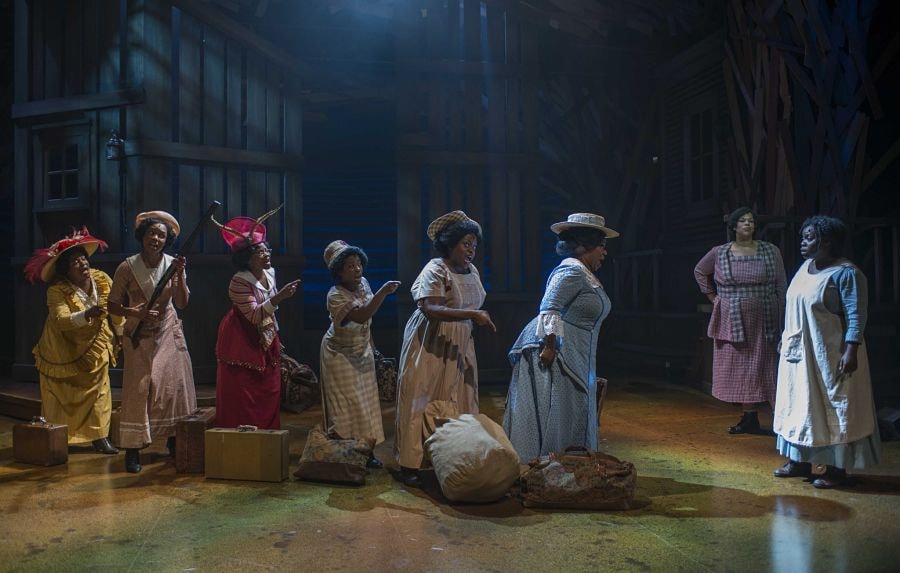
We just workshopped Effa Loves Baseball, a play we commissioned by Pia Wilson that we are looking to produce in 2026, and Lia Del Mar by Dacyl Acevedo, which was a finalist for our Premiere Stages Play Festival. We’re also looking forward to producing Mala Aria by Gloria Majule this coming summer. It’s very exciting to be working on three terrific new plays by three exceptional playwrights.
What’s the strangest or funniest thing you’ve ever seen (or put) on your stage?
I once had to walk through a bedroom on the stage while two actors were under the covers during a romantic scene. There was a gas leak in the building next door and I had to make an announcement to get everyone out of the building. The actors had no idea what was happening and froze, horrified to see me walking by the bed to the edge of the stage. I think they still have actors’ nightmares about it.
What are you doing when you’re not doing theatre?
Spending time with my wife and son, writing, teaching, reading, traveling.
What does theatre—not just your theatre, but the American or world theatre—look like in, say, 20 years?
Honestly, I think it will look very much the same. Theatre hasn’t changed all that much over the past 100 years in comparison to the world around it. Sure, the stories and the people who tell them have changed, but these stories typically still happen on a stage with an audience sharing the experience as they watch it all unfold. If that structural premise was going to change, it would have happened during Covid, but people missed the live theatre and how it affected them. Film, TV, and streaming, on the other hand, won’t be recognizable in 20 years, and theatre might become more competitive, as it will be the only place for human actors to continue to work exclusively.