Who founded Cyrano’s Theatre Company, when, and why?
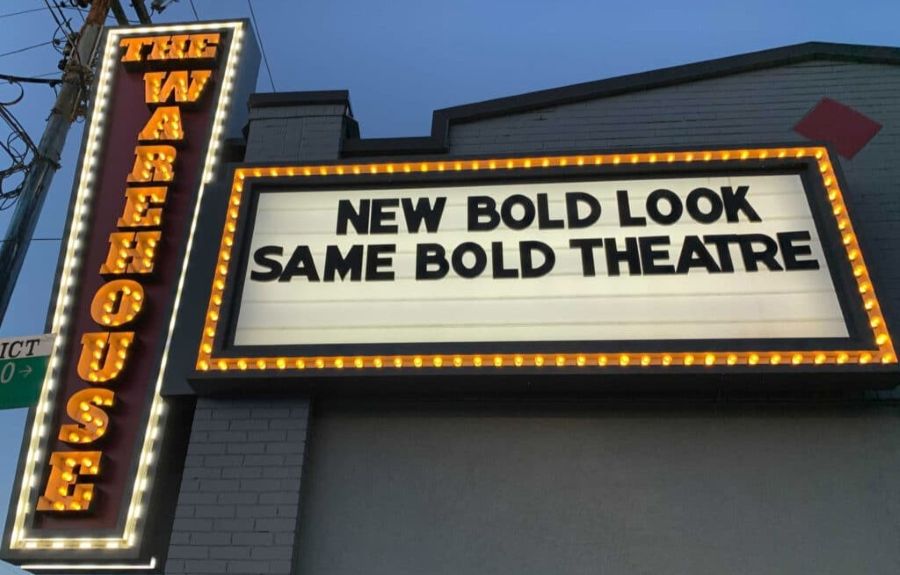
Cyrano’s Theatre Company was founded in 1992 by Jerry and Sandy Harper. Upon the passing of Jerry’s mother, he inherited a building in Anchorage, so he and Sandy left their life in L.A. and moved up to start a small theatre company. The initial goal was to create and produce the seminal work of the great theatre writers. Over the 33 years, CTC has continued this goal of high standards and included local artists as its core creators. CTC also became a place of new-play development, with a flexible framework in terms of style and cultural background, as well as celebrating classical theatre in a strong seasonal commitment.
Tell us a little more about yourself and your background.
I was literally born into Alaskan theatre. My father created the first theatre in Anchorage (Anchorage Community Theatre, or ACT) and I was onstage in my first role at the age of 10 weeks. I grew up in Anchorage theatre, earned a BFA from Chapman University in California, then I was the executive director of the theatre I grew up in, ACT, in my 20s. I returned to school to earn a MFA in directing from UC-Irvine, then moved to New York City, where I based my professional directing career in freelance and Off-Off-Broadway work, both in the city and around the country. I worked with Women’s Project Theatre and Vital Theatre Company, among others. After a decade I decided to return, and happened to reconnect with Sandy Harper, who was looking to retire from leading Cyrano’s. This gave me the opportunity to return to my roots and guide a small professional theatre in my hometown.
What sets your theatre apart from others in your region?
We are Anchorage’s local professional theatre company. We mix outside professional artists with local performers and designers, and the goal is always to serve our local community with a wide variety of theatre genres in compelling and entertaining stories on the stage.
Tell us about your favorite theatre institution other than your own, and why you admire it.
Steppenwolf has always been a guide to me, in that a small group of artists created work without compromise yet built a loyal following in their community that allowed them to grow and flourish. New work and classics are both my passion.
How do you pick the plays you put on your stage?
I strive to create a variety of both commerically engaging and artistically compelling work in the season, with diverse genres diverse and a balanced slate of plays that will engage our local artists. I start with the types of work I’m looking for, then look to see what is currently making the regional theatre rounds. I look at what classical plays on my list we haven’t yet done, and I engage with local writers and stories and ideas that community members bring to me.
What’s your annual budget, and how many artists do you employ each season?
Our annual budget is approximately $330,000, and we pay small professional stipends to approximately 150 artists a year.
How is your theatre rising to meet the challenges of the moment, including but not limited to the continuing aftermath of Covid lockdowns, widespread demands for a fairer industry, and the current funding climate?
I believe that the smaller theaters are more nimble and less top-heavy, which allows us to pivot as needed. I also take the most important part of my job with crisp focus: to pay attention to CTC’s community, and particularly the audiences and the donors. Garnering their loyalty and admiratio translates to support and word-of-mouth that allows us to continue our work. The quality of the work must be strong for folks to return. The experience the artists have in the shows must be both positive and invigorating, so that they accomplish growth and/or succeed in strong performances, to have them want to return.
During Covid lockdown, CTC spend the time developing stronger internal processes and schedules, so that when we reopened we could hit the ground running and have more organized plans to accomplish our goals. For the first time since I began in 2016, in 2022 I felt I was in front of the work, instead of scrambling to catch up. As far as demands: My community tells me what they need and what they want. We stay adaptable to that.
What show are you working on now? Anything else in your season that you’re especially looking forward to?
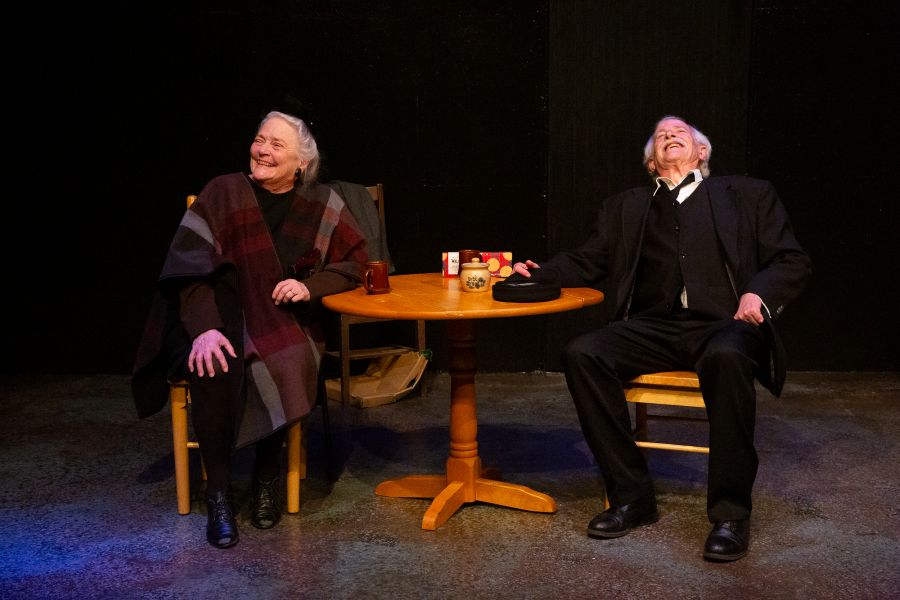
We are super excited to produce Outside Mullingar, which opens Oct. 3. It’s a cozy romantic Irish comedy for the chilly fall season up here. I’m really looking forward to announcing Season 2026—we operate on a calendar year. Some exciting work is ahead!
Strangest or funniest thing you’ve ever seen (or put) on your stage?
In our last show, our summer Shakespeare, we put a huge colorful parachute across our ceiling, blocking the lighting grid. It was literally huge colors above our heads. Lighting came in at odd angles and actors were in a very theatre carny/clown kind of world. It was Comedy of Errors, so it worked great—and we sold out most of the run.
What are you doing when you’re not doing theatre?
My husband and I are learning how to parent our new babies! Work-life balance—it’ll come to me someday, right?
What does theatre—not just your theatre, but the American or world theatre—look like in, say, 20 years?
I think it is full of small, nimble theatre companies, full of artists who are looking always at new and exciting ways to draw in other new artists and astound their audiences.