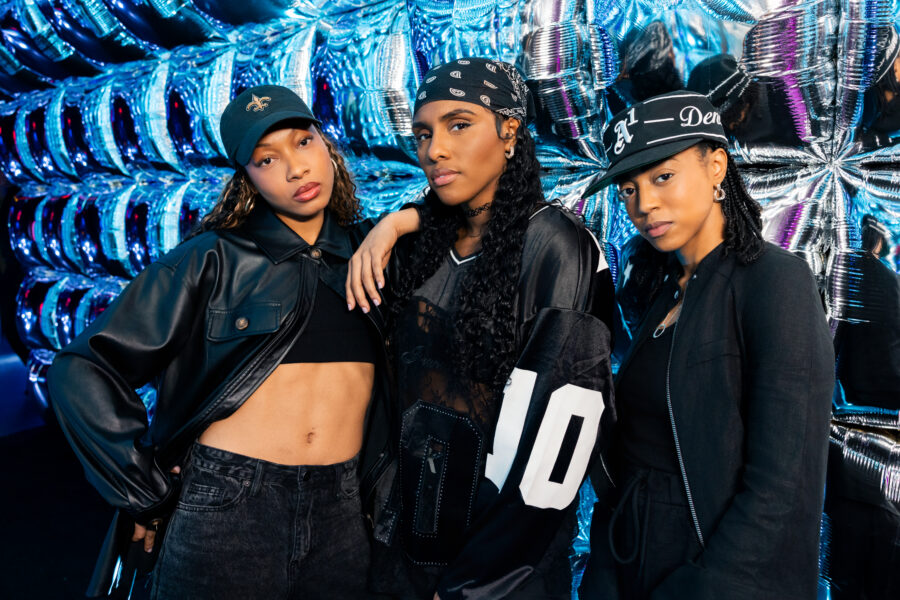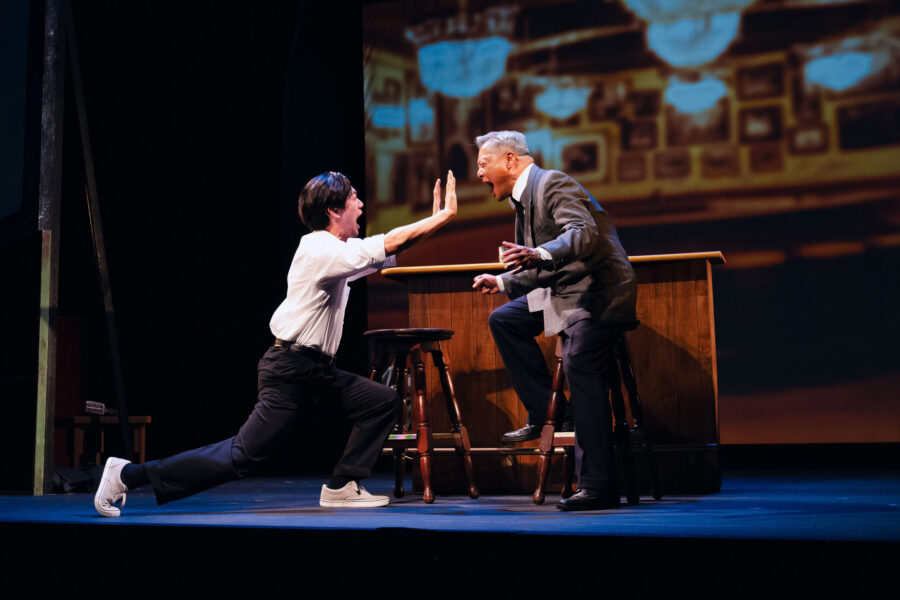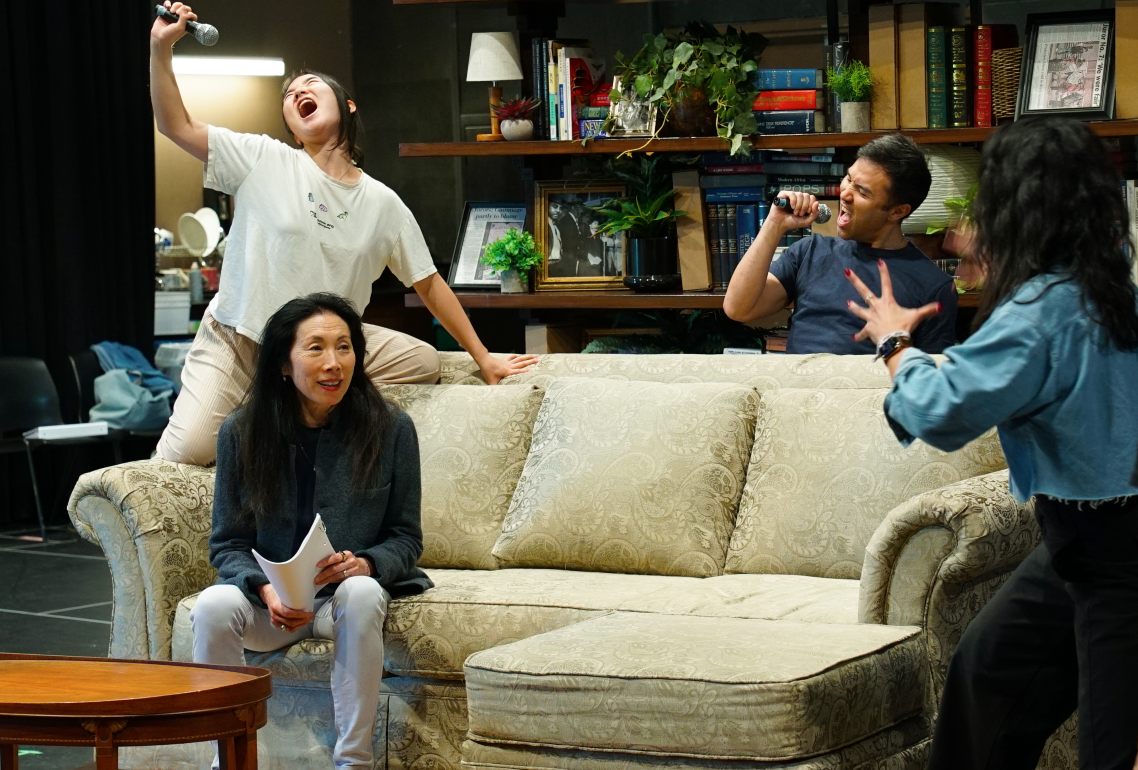
In 2017, MILCK (Connie K. Lim) and AG (Adrianne Gonzalez)’s song “Quiet,” about MILCK’s journey of surviving domestic violence, became a protest anthem at the D.C. Women’s March. Inspired by that moment, they wrote The Family Album with playwright Sam Chanse, a musical making its world premiere at La Jolla Playhouse July 17-Aug. 23.
MILCK first pitched a five-song Family Album EP to her label, Atlantic Records, with songs comprising love letters to her family, including “Quiet.” She was told the content was “not universal enough.” (She’s no longer with Atlantic.)
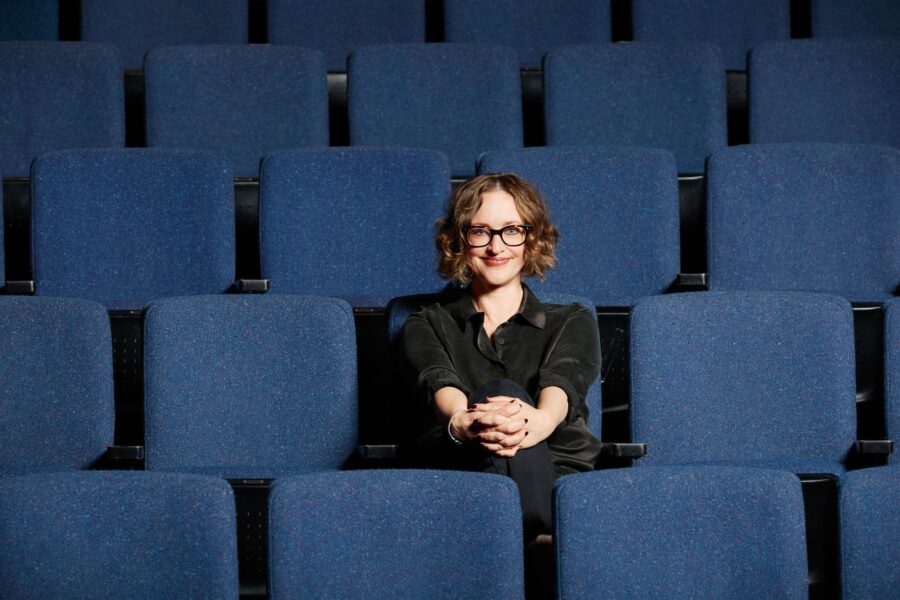
In part, the new musical is a refutation of that complaint, asserting that this material is universal enough to fill a whole musical. Developed by a writing team of all women of color, it has been championed by nonbinary director Jess McLeod from its origins as a three-song project during the pandemic and through three workshops with La Jolla.
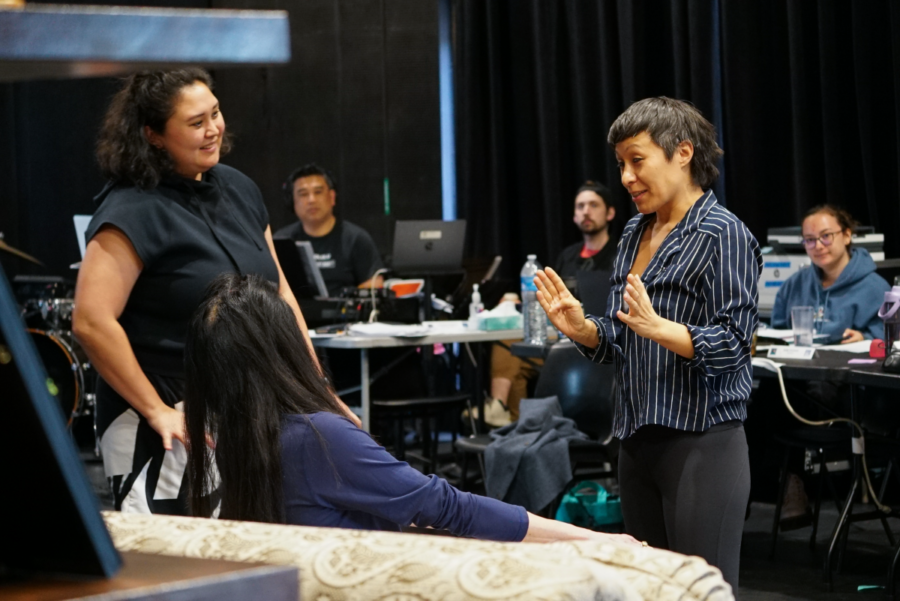
In telling the story of Mia Bing, a singer-songwriter who finds herself back in her childhood home, where everyone’s got a secret and she’s the daughter who is “disappointing” her Asian immigrant parents, MILCK said she wanted to pay homage to her inner 14-year-old child, and to her mother.
The show asks: How does a person who can feel so brave onstage playing music come home to speak to the people that intimidate her the most? As MILCK put it, “How can we learn to alchemize our own hurt? Maybe instead of a violent conversation or a violent encounter, we can actually have more courage to be vulnerable and talk with each other.”
This dive into musical theatre composing and turning grief into joy has lit a spark for MILCK. “I’m just gonna keep writing musicals now,” she said.
Daniella Ignacio, a writer, theatre artist, and musician based in Washington, D.C., is a contributing editor of this magazine. She also reviews for Washington City Paper and DC Theater Arts.