One participating organization, Minnesota’s Theater Mu, offers an example of how a BIPOC-led nonprofit builds long-term sustainability. The Asian American theatre company was founded in 1992 in a state where the Asian population at the time was less than 2 percent, according to the U.S. Census. Theater Mu was paired with kt shorb, a scholar, director, and actor
“I was really interested in how Mu continued for 30 years, when for the first 15 years it had quite a small budget, and there weren’t many trained theatre artists of Asian descent in the Twin Cities in the ’90s,” said shorb. “The Twin Cities and the state of Minnesota both have a diversity of funding sources that, for the size of our population, is quite remarkable.”
“From Margins to Center Stage,” a research brief drafted by the Wallace Foundation based on shorb’s findings, found that both Asian American and non-Asian American artists describe the company as a kind of creative family, supported by a wide enough safety net of fellow artists to take real creative risks. Artists interviewed for the report described a related relief in working with Mu—particularly in not having to explain the racialized specifics of their work, after some described being asked elsewhere to perform in stereotypical or “more Asian” ways.
Historically, mainstream funding environments have siloed culturally specific arts groups, leading to lower funding levels, depressed wages, and systemic exclusion from broader artistic competition. Indeed, shorb’s broader research for the report shows how BIPOC-led theatre companies are often dismissed as “community theatre,” a label with real consequences for funding and legitimacy. Professionalization requires a framework that elevates these organizations so they are seen as fully competitive within the broader field without sacrificing their cultural identity.
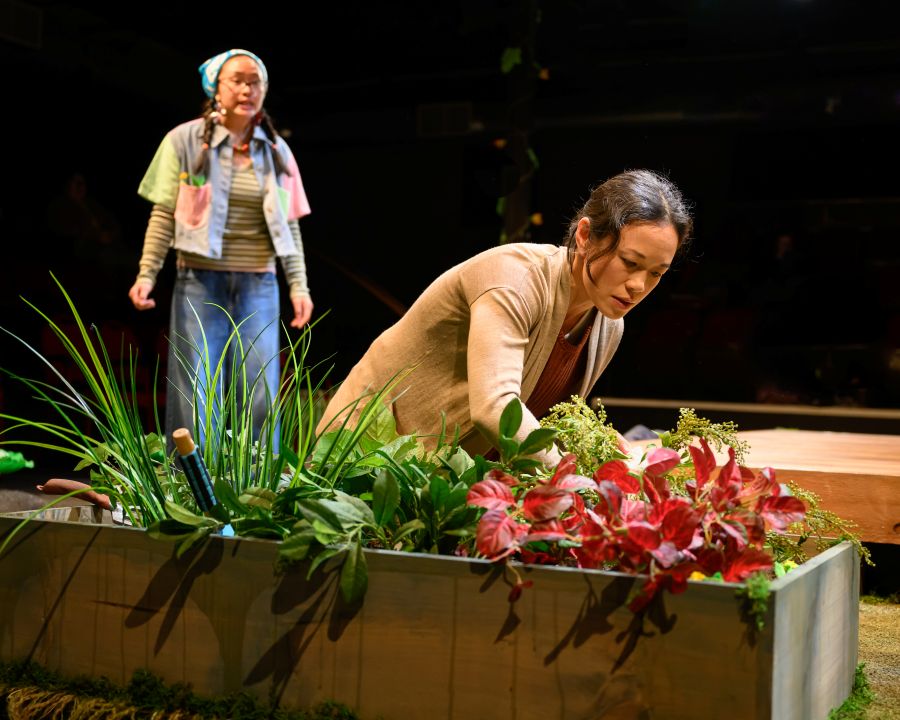
Today Mu is a leading voice in national theatrical conversations. In addition, Mu has made strides in paying living wages to both its administrative and its production staff, according to shorb’s report. By organizing its fundraising and internal infrastructure to secure competitive salaries, Theater Mu models a framework where BIPOC artists do not have to compromise their economic stability to tell their communities’ stories. Creating competitive work ensures that the wider field recognizes the inherent value of their art.
“One of the things we thought was very valuable from the research was examining how to approach professionalization without sacrificing the unique contributions of Asian Americans to theatre and society,” Vallejo said. “It means thinking about what a fair salary looks like. If you’re doing a residency, we are ensuring you have enough money to live.”
In addition to the research component, the participating nonprofits are given access to dedicated technical assistance consultants who help each organization strengthen its financial, logistical, and communication systems. The companies are also invited to participate in convenings where leaders gather to share insights across geographic and artistic divides.
Former Mu office and literary manager Jane Peña attended six convenings, including events in New York, Los Angeles, Philadelphia, Puerto Rico, Brooklyn, and Charlotte. In those spaces, she was able to network, learn from entirely different arts disciplines, and address common structural bottlenecks.
“It’s affirming to see the ways in which we’re all in this together,” Peña said. “It can feel bleak—in the most recent years, especially. Sometimes we can feel a little lost. But being able to come together and talk to other people who are still showing up to work, still serving their mission, is always inspiring us to continue our mission as well.”
That same instinct for solidarity has shown up closer to home. During the 2020 uprisings in Minneapolis following George Floyd’s murder, Mu allowed staff to count time spent on local mutual aid efforts toward their paid work hours, according to shorb’s brief.
Lianna McLernon, Mu’s communications and marketing manager, attended a convening in Charlotte last October, where she said she appreciated hearing about the successes of other theatre groups, like the Latinx Theater Commons’ project to archive its history. Latinx Theater Commons is participating in the field research component of the Advancing Well-Being in the Arts initiative.
“Everyone in the cohort is very community-centered,” McLernon said. “That’s one of the reasons we were all chosen. And so how do we catalog and make sure that people decades from now know how we got to where we are?”
Mu’s reach has also extended beyond the Twin Cities. In 2024, the company launched a competitive national call for scripts through its New Eyes Festival, and it increasingly partners with other Asian American and BIPOC performing arts organizations around the country to press local and national funders for greater support, according to shorb’s brief. Mu has also worked to broaden which Asian American stories get staged, adding works by Southeast Asian, South Asian, and queer writers who have historically had less representation onstage.
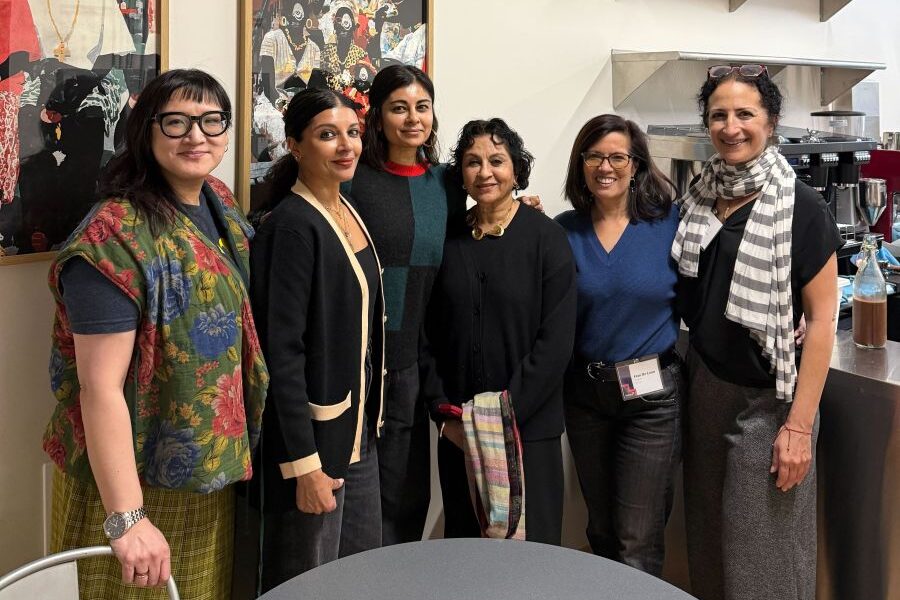
Fran de Leon, who joined Theater Mu as artistic director in 2025, experienced firsthand how these technical assistance grants could ease the friction of a major leadership transition. Theater Mu used the funding to bring in Community Resource Exchange (CRE), an organization that focuses heavily on nonprofit infrastructure.
“They came here for the staff meeting before I arrived, just to talk through some of what’s been going on this year,” de Leon said. “How are we feeling about a new artistic director, and what are some pain points we can possibly identify and address early on?”