1761 (265 years ago)
On Aug. 1, the Town Council of Newport, Rhode Island, voted to ban the performance of plays. While Puritan beliefs throughout the New England colonies had regarded the dramatic arts as salacious and sinful, Newport had gained a reputation for uniquely championing religious and social liberty, making this an ambivalent statement from Newport representatives. Despite the ostensible ban on theatrical performance, for instance, the Newport Mercury, a local newspaper, published an advertisement for upcoming performances in Newport from the Douglas-Hallam Company, a seminal acting troupe touring the East Coast. Alongside the ad, the paper published a recommendation for the company written by the governor of Virginia, who had seen one of their previous performances in Williamsburg.
1971 (55 years ago)
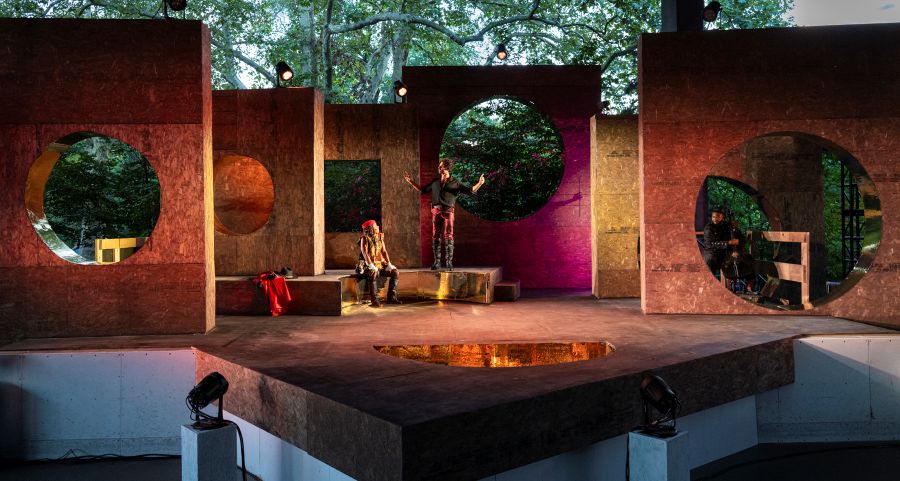
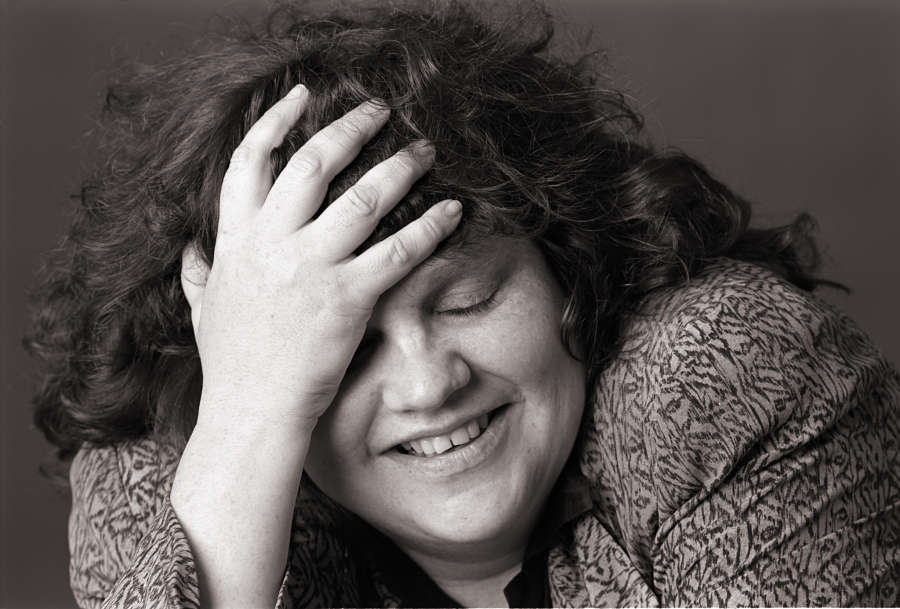
While touring Europe, an ensemble from the La MaMa Experimental Theatre Club was forced to cancel performances in Romania and Czechoslovakia when they were unable to receive the U.S. support necessary to enter these communist countries. La MaMa founder Ellen Stewart, who was accompanying the 19-person cast of actors and musicians, understood the withheld support to be a result of La MaMa’s politically and artistically radical reputation, despite the relatively tame selection of repertory performances they were slated to present in this instance. Adjusting course, La MaMa continued touring its acclaimed double bill of Renard and The Only Jealousy of Emer on from Dubrovnik, Yugoslavia, to other summer theatre festivals in Central and Western Europe before returning to their home base in New York.
1976 (50 years ago)
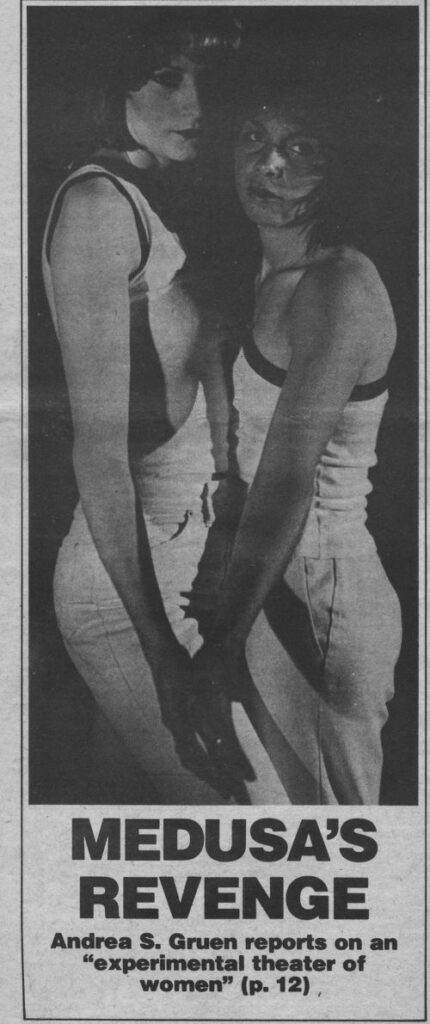
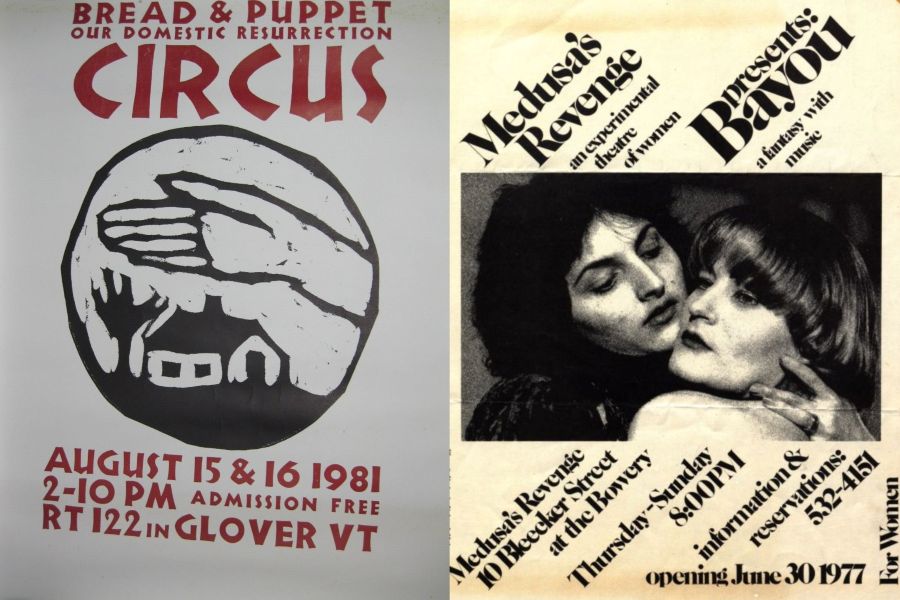
Medusa’s Revenge, a pioneering multicultural lesbian experimental theatre in New York, was founded by Ana María Simo and Magali Alabau, two Cuban exiles and theatre artists. Beginning as a series of acting workshops, Medusa’s Revenge was molded by Simo and Alabau into an organization and performance space dedicated to creating original works exploring what they called a “homo-esthetic sensibility.” They worked to emphasize the diversity and individuality of the theatre’s ensemble and lesbians at large, refusing homogenizing public perceptions of women, and particularly welcoming women of color and working-class women. Motivated by previous censorship from homophobic leadership at other theatre spaces, Medusa’s Revenge also prioritized financial independence, moving into and converting the large basement space of 10 Bleecker Street in November 1976, with Alabau and Simo personally funding the renovation. With this move, Medusa’s Revenge became credited as the first explicitly lesbian experimental theatre space, and the venue was known to host woman-only audiences and general audiences on alternating performance days. Medusa’s Revenge remained based at 10 Bleecker until the closure of the company in 1981 as a result of an unsustainable rent increase. Upon their closure, the company gifted some of their technical equipment to the newly founded WOW Cafe, another experimental lesbian theatre venue. In 1992, Simo went on to become a founder of The Lesbian Avengers, a direct action group focused on lesbian visibility and survival.
1981 (45 years ago)
In August, Bread and Puppet Theater hosted a rendition of its Our Domestic Resurrection Circus (ODRC) at their farm property in Glover, Vermont, centered around the theme “The Fight Against the End of the World.” Bread and Puppet, a renowned anti-capitalist political performance company founded in 1963 by Peter Schumann and his wife, Elka, first produced the ODRC in 1970, and annually presented the two-day festival as part of their key programming between 1975 and 1998. Bread and Puppet, named for their practice of giving a piece of bread to audiences at their puppet shows, was founded in New York and moved to their farm in northern Vermont in 1974. The theatre remains renowned for their large-scale puppets and massive protest performances, which have frequently centered anti-war and anti-capitalist themes and initiatives.
2016 (10 years ago)
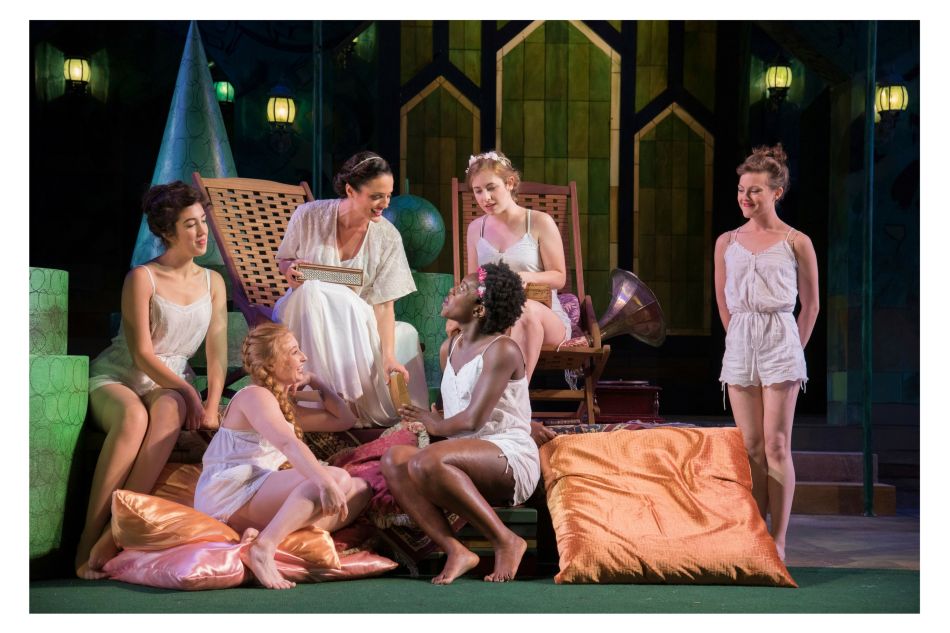
Boston’s Commonwealth Shakespeare Company (CSC) closed their production of Love’s Labour’s Lost on Aug. 7. Inspired by Joseph Papp’s creation of Shakespeare in the Park in New York, Steven Maler—with the help of co-founder Joan Moynagh, the City of Boston, the Boston Parks and Recreation Department, and the Mayor’s Office for Cultural Affairs—founded CSC in 1996 to present free performances of Shakespearean plays on the Boston Common. Maler served as director for CSC’s 2016 production of Love’s Labour’s Lost, one of Shakespeare’s lesser-performed comedies, and the production received overall positive reviews, particularly for the performances of the actors and for the accessible clarity of the Shakespearean text. CSC is currently celebrating its 30th Anniversary, presenting A Midsummer Night’s Dream—the same play they performed in their inaugural season—on the Common (July 22-Aug. 9).