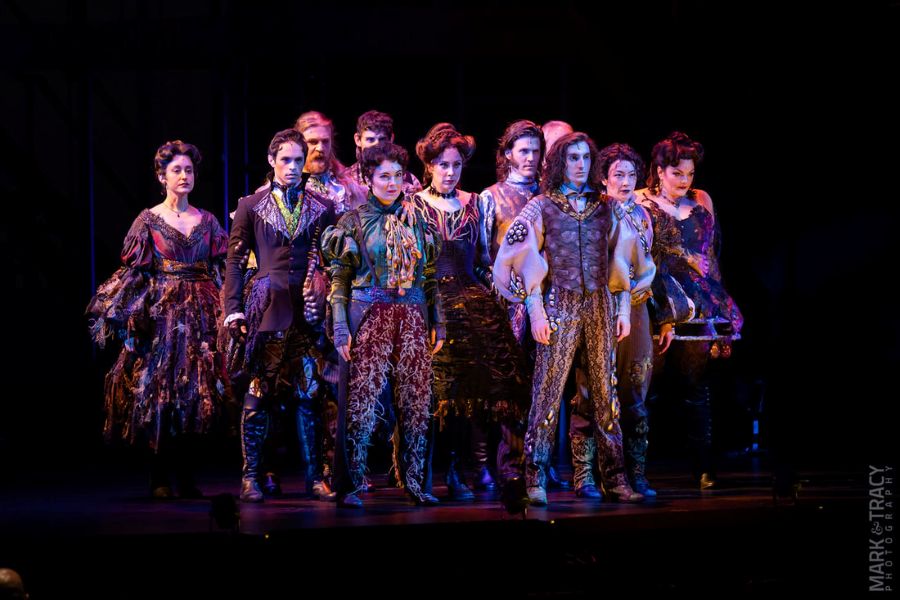
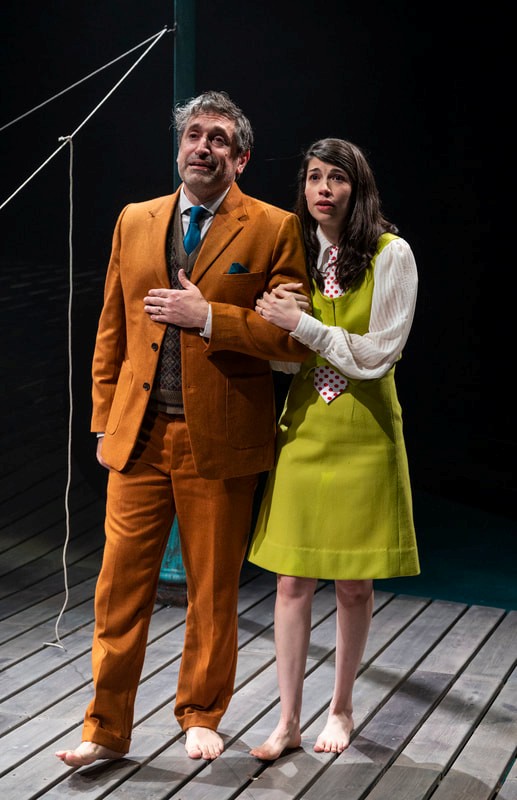
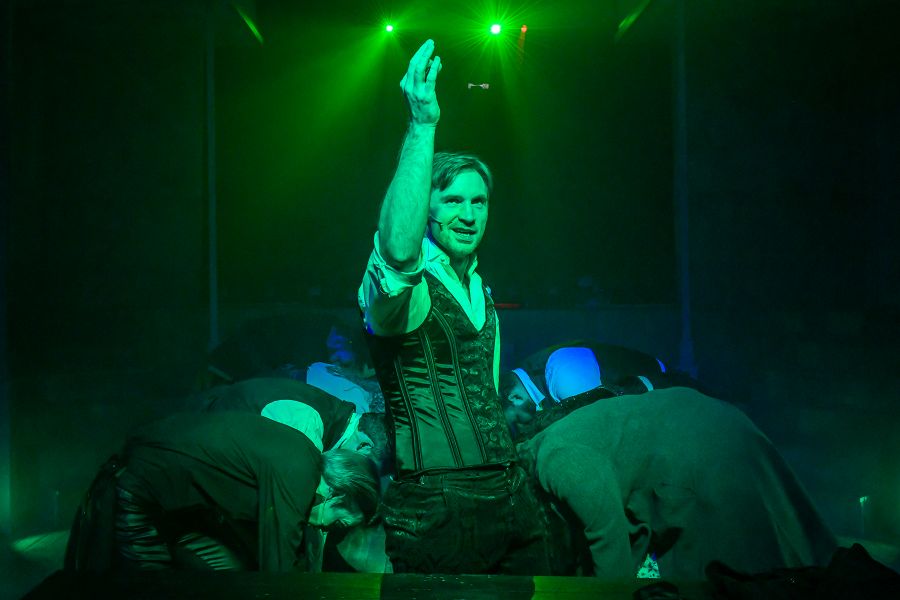
As a little holiday treat, let me sneak you into Theater Club. On a chilly evening in mid-November, we head to Chicago’s Chopin Theatre to see the hit Kokandy Productions staging of Jekyll & Hyde, which is already deep into a run that was originally supposed to close on Dec. 21, but has now extended through Jan. 10. But it’s not the raves that bring us to the production: It’s Chicago Public Media WBEZ’s pilot program of their Theater Club, a new effort created to bring folks together around the theatre.

Mike Davis, WBEZ’s arts and culture reporter, who writes primarily about theatre in the city, said the idea came about because every week he goes to shows, often alone, and he sees a lot of folks around his age doing the same. Davis, who is also a current member of TCG’s Rising Leaders of Color program, said he recalled reading about research done during the pandemic around the lack of friendships for younger adults. So he and the folks at WBEZ, which launched a new arts and culture desk in 2023, thought there might be an opening here to try something new.
“All of these ideas came together in what we see as an opportunity to collectively enjoy the arts,” Davis said. “People want to see shows, and people want to hang out. Hopefully, we can be a bridge that pulls all of that together.”
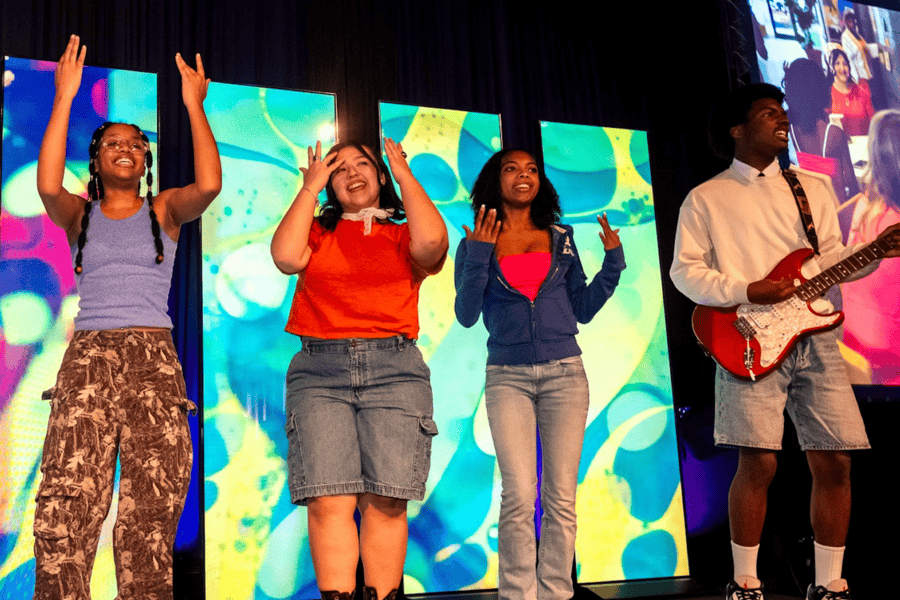
For the pilot, WBEZ decided to work with Kokandy Productions, who Davis said was “on board as soon as they heard our idea.” The eventual inaugural Theater Club outing includes a free ticket to the Jekyll & Hyde (for those who registered in time), an exclusive Theater Club post-show talkback with artists who worked on the show, and a drink ticket that can be used at the Chopin bar so folks can hang out after the talkback and chat theatre with likeminded folks (plus, of course, some requisite public radio swag: a Theater Club pin and a WBEZ tote). By my count, around 30 folks stay after the performance to listen to Davis interview David Moreland, the actor behind the show’s titular roles, and Kokandy producing artistic director Derek Van Barham, who directed the production.
After the event, I ask Davis how WBEZ was measuring success for this pilot program. He said that at first they were thinking about measuring it by attendance. But that changed when they saw the enthusiasm that bubbled up around the idea, from people asking him about it in person as he saw shows around the city to the buzz around WBEZ’s Navy Pier offices.
“As soon as we posted on TikTok,” Davis recalled, “we had more people interested than we had tickets for.”
Davis said they did send out a post-show survey, but the team has yet to have the time to go over the results quite yet—that will come after the holidays. But Davis did say that being in that space, talking to folks, and watching the videos that captured the event (you can check out post-event videos from WBEZ here and here, and a video from Kokandy here), he felt strongly that folks had a really good time. (I can confirm.)
“It was nice having a place to debrief and talk after a show,” Davis said of being able to have a space for a drink and conversation with attendees at the end. “I learned a lot about what people were seeing and the shows non-critics really liked. I feel like I learned a lot.”
While the November outing was the first, Davis said they hope it’s not the last. Already a number of theatre companies have reached out with interest, Davis said. At the moment, in no small part thanks to the holiday season, they’re not rushing into the next Theater Club meet-up. In addition to the post-show participant surveys, Davis said they also conducted an internal staff survey ahead of that deeper debrief on the program in the new year. It’s the start of what Davis hopes can blossom into something special in the Chicago theatre landscape.
“My dream version would be Theater Club becoming a real social club,” Davis said, which he envisions as “having a nice group of participants that come together for shows and hang out before and after talking theatre. There are always so many good shows onstage in Chicago, and there are people—and I mean people who don’t work in the industry—who see a ton of shows. I met a few at the Chopin that night. I want to create a space for us to enjoy the art we already love, but a place where we do it as a community. I want this to be the place where art can foster new friendships. Going to shows is fun, but it’s even more fun with friends.”
A New Neighborhood Venue
Let’s stick a little closer to home for our next trip (well, closer to my home—I can’t speak for you). In Chicago’s Uptown neighborhood, the little slice of the Windy City where I lay my head, there’s no shortage of historic buildings, especially when it comes to the arts. If you pick the right block, you’ll find yourself surrounded by the Aragon Ballroom, built in 1926 and host to the likes of Frank Sinatra back in the day; the Riviera Theatre, a former “movie palace” that opened in 1918 and has become one of the city’s premier concert venues; the Green Mill cocktail lounge, the famed jazz joint which opened in 1914 and was once frequented by Al Capone; and, of course, the towering facade of the Uptown Theatre, a former movie palace that was completed in 1925 but has been shuttered since the ’80s as efforts to revitalize one of Chicago’s largest auditoriums continue to falter.
It’s that history that TimeLine Theatre Company hopes to join as they near completion of their new Uptown space, designed by Minneapolis architecture firm HGA.
“They walked in with a full dramaturgical presentation about the history of Uptown and performance venues in this neighborhood,” said TimeLine artistic director PJ Powers of the meeting with HGA. “They had walked these streets and talked with shop owners and residents and showed us photos of this property that they had gotten from the Chicago History Museum that we had never even seen before. And that was just their interview.”
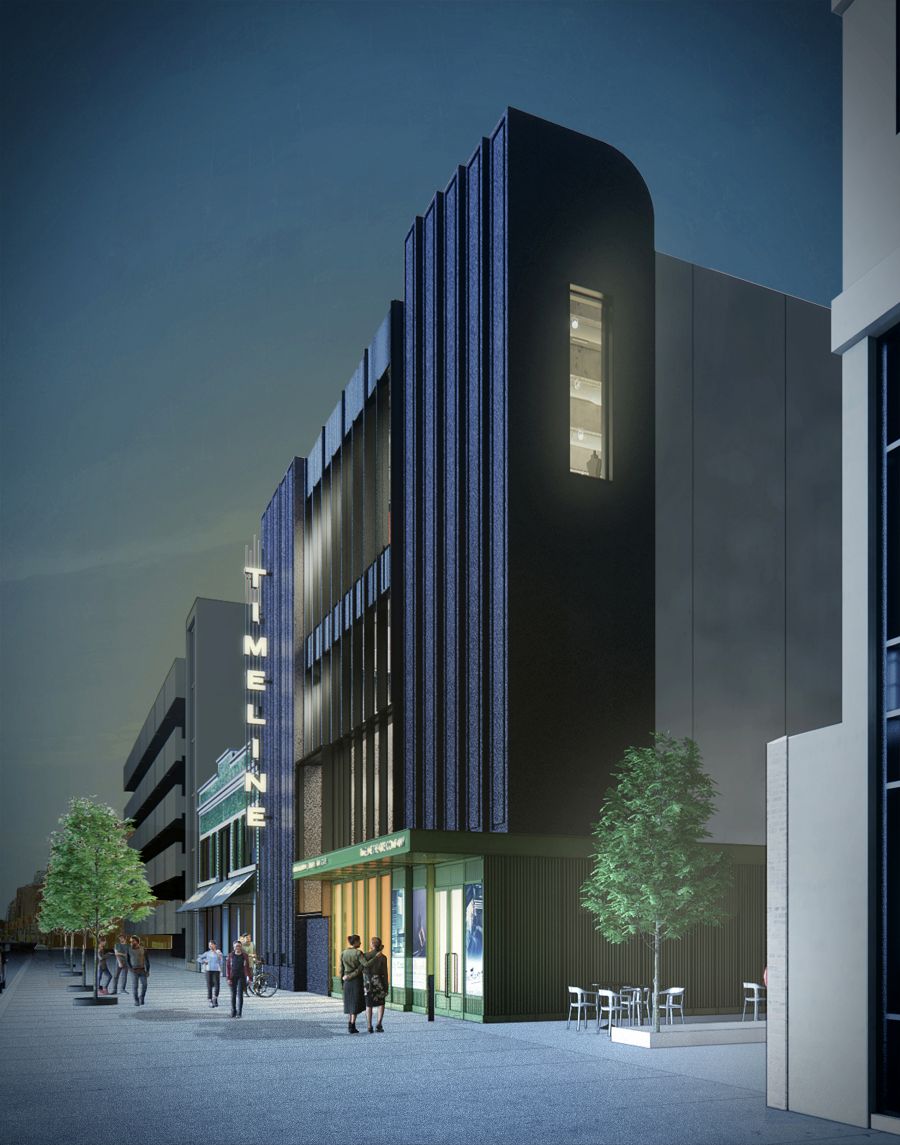
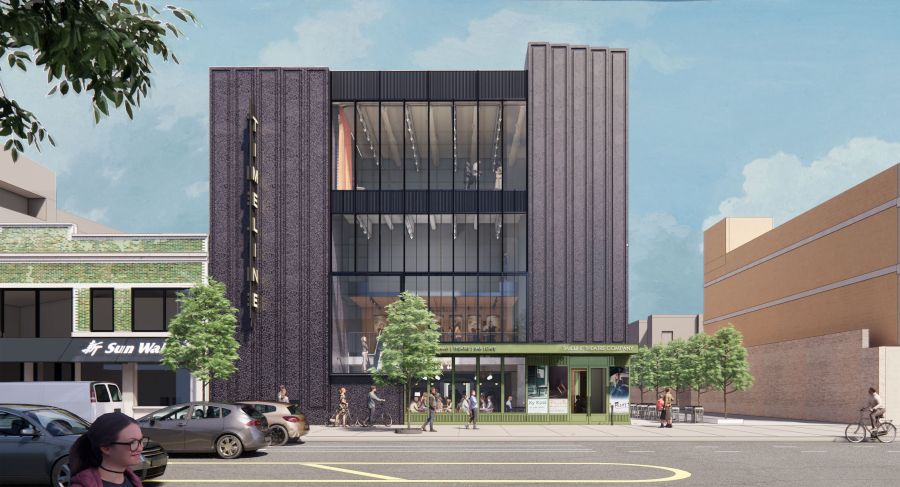
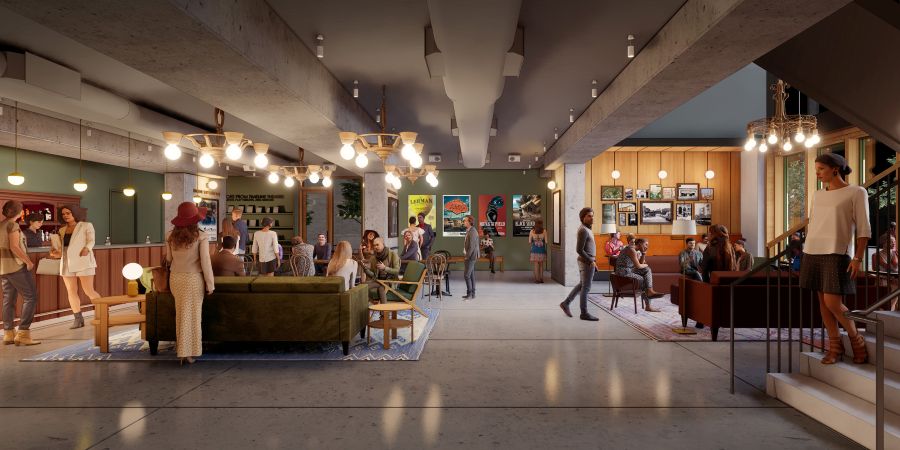
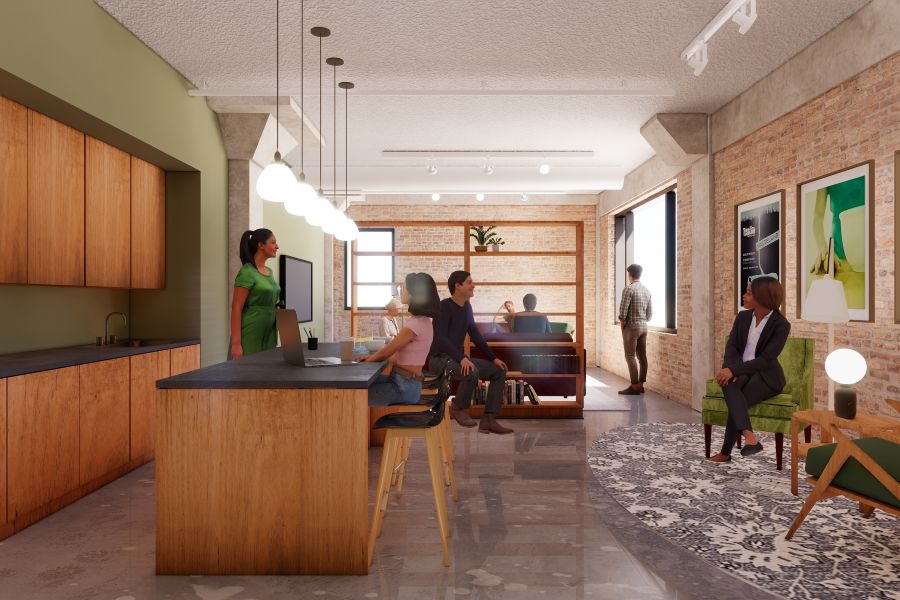
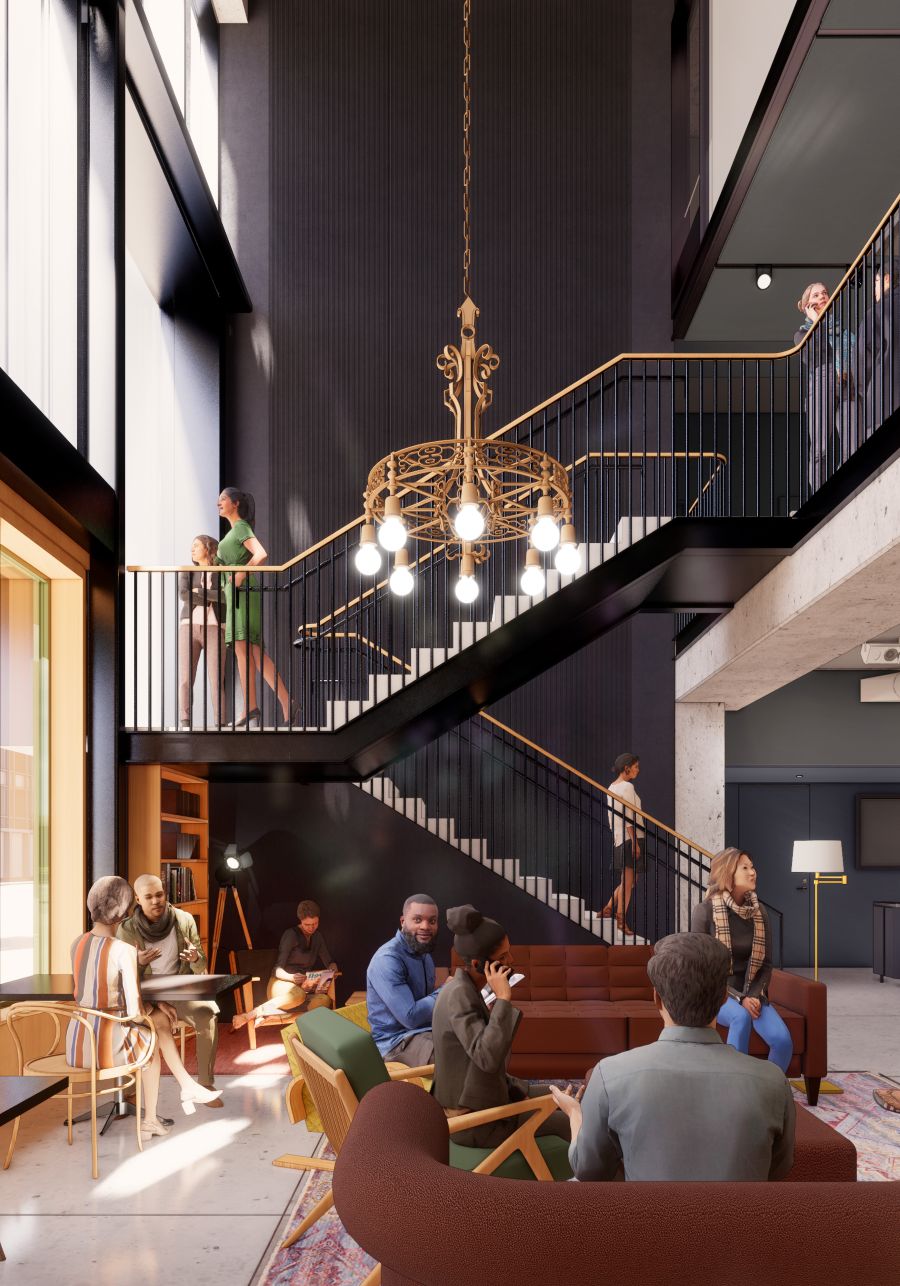
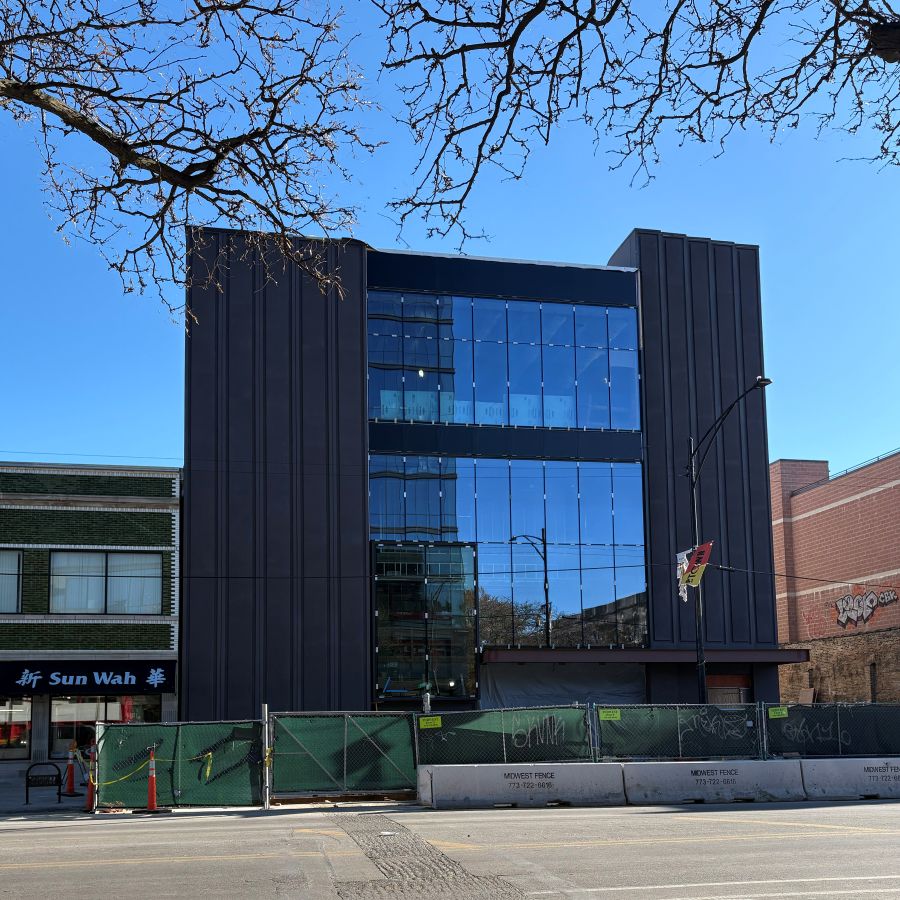
Earlier this month, I had the chance to stop by the new space and see how TimeLine is turning a former warehouse into their new home, ahead of their first production in the venue, An Enemy of the People, directed by Ron OJ Parson and set to open in May. (TimeLine will first be presenting the Chicago premiere of Eureka Day Jan. 13-Feb. 22, 2026, but at the Broadway Playhouse.) The new five-story space, costing approximately $46 million, features a multi-story wall of street-facing window and is set to have a flexible 250-seat black box theatre on its second floor, plus a rehearsal room, exhibit galleries, dedicated spaces for education programs and other gatherings, new office and production spaces, and a bar and cafe with an outdoor patio area.
“Something that was hugely important to us from the outset was to really connect the life inside the building with the life outside the building, for the neighborhood to literally see themselves inside and know that it is a place for them,” Powers said. “A lot of the intentionality of that glass and that visibility was to take inspiration from the performance venues up the street, but also embrace the 21st century a little bit more. These are all very closed-off buildings that, if you didn’t know what was inside, you wouldn’t know. So we really wanted to lean into some gestures of that architecture, but have this feel like it’s a new type of community gathering space.”
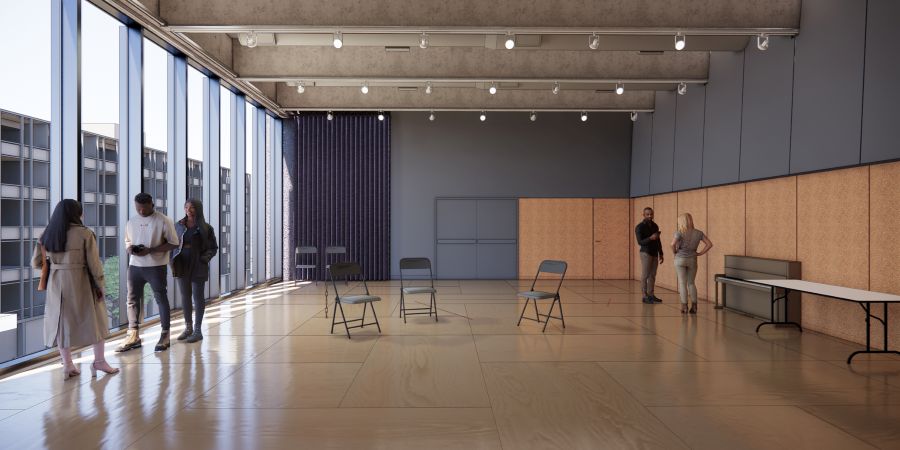
As I toured the over 33,000-square-foot space, led by Powers, executive director Mica Cole, and director of new home development Elizabeth K. Auman, what was most intriguing to me about my soon-to-be new neighborhood theatre is the potential for expansion. Perhaps it’s because the interior walls were still mere studs, but the space feels expansive already, from a fourth-floor rehearsal room with a view to costume storage and a good amount of behind-the-scenes space to work, and of course a performance space with more than twice as many seats as their former 90-seat space in Lakeview.
Still, there are dreams of more, now that city construction on the nearby Argyle Red Line stop has finished—perhaps even a second space just out back. That may be a ways off, though. For now, I’ll simply look forward to what the newest addition to Chicago’s theatre venues has in store. Check out the images below to see for yourself.
New Year, New Puppets
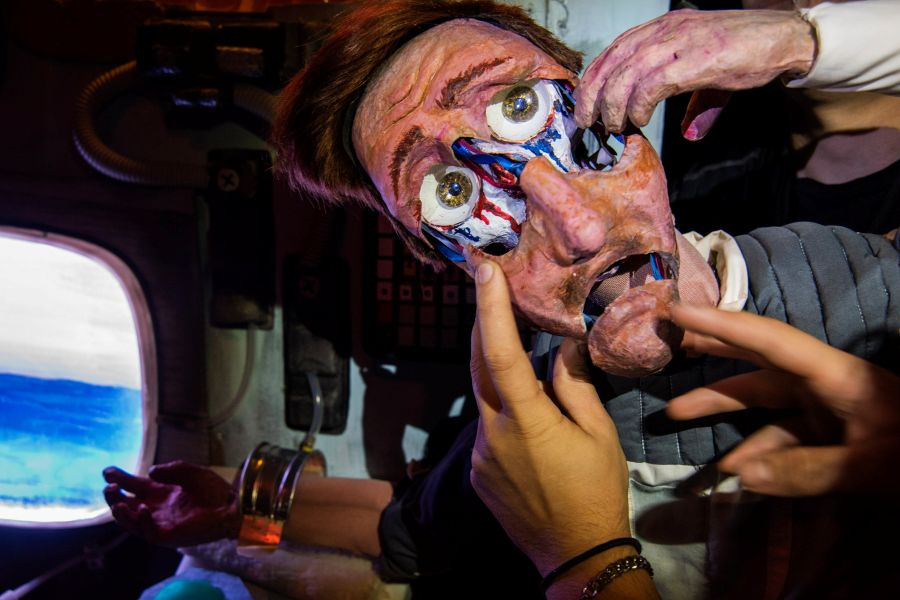
As we head toward 2026, let’s look ahead to the 8th Chicago International Puppet Theater Festival, set to run Jan. 21-Feb. 1, 2026. The annual festival will span 12 days and dozens of local venues as puppetry artists from around the world descend on the windy city to share their work. Take a look at the teaser below and set your calendars!
Designing Your World
When Seattle-based costume designer and theatre artist Danielle Nieves was a kid, her abuela taught her to sew. So Nieves put those skills to use making costumes for fun.
“I had minimal exposure to theatre growing up,” Nieves said, “and I had no idea that costume design was an entire field of study and a career path.”
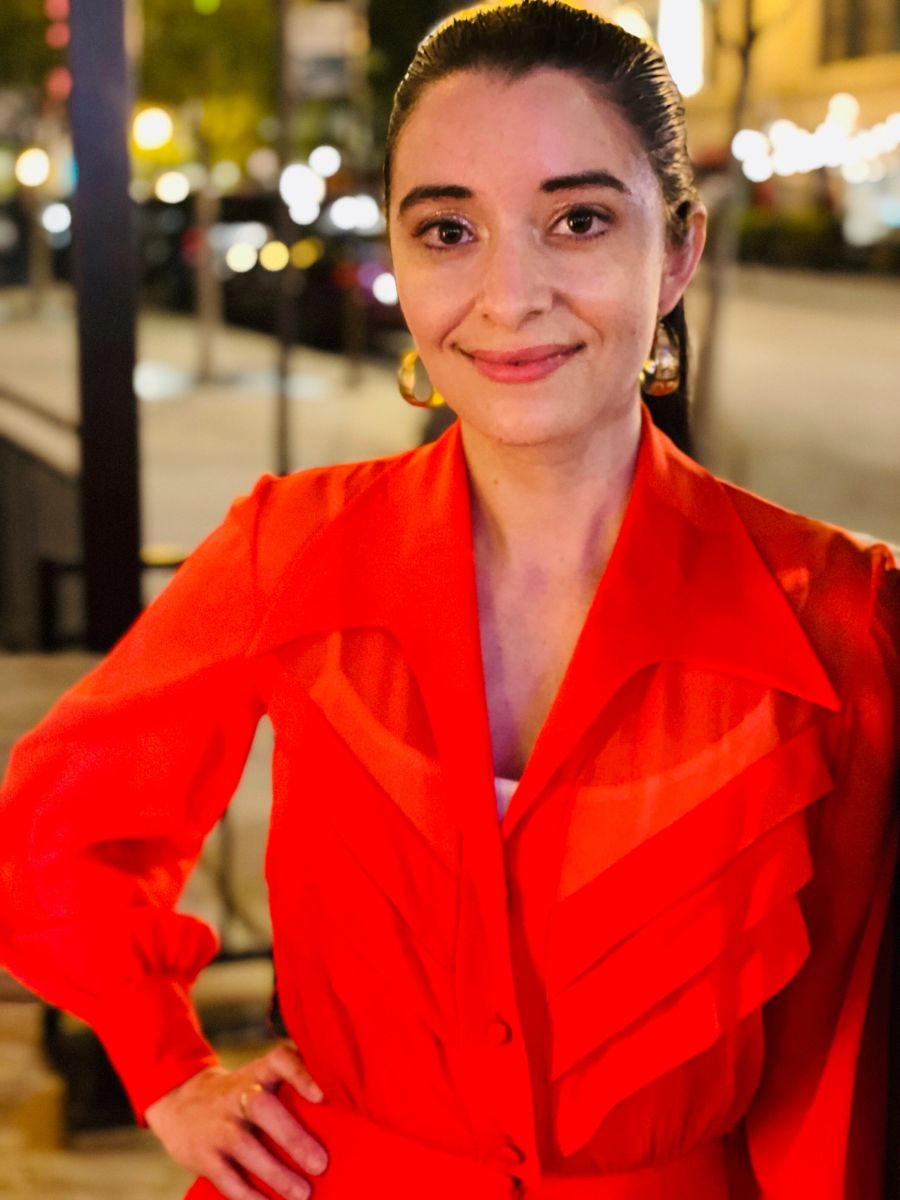
Years later, when she went to undergrad at Middlebury College, she went to a student event and was introduced to a class called “Costume Design.” The class, Nieves recalled, “turned out to be the perfect combination of my love for sewing and drawing.” Nieves credited professor Jule Emerson, saying, “Without her, I never would have gotten into this field or known how exciting and vaied the world of costume design can be.”
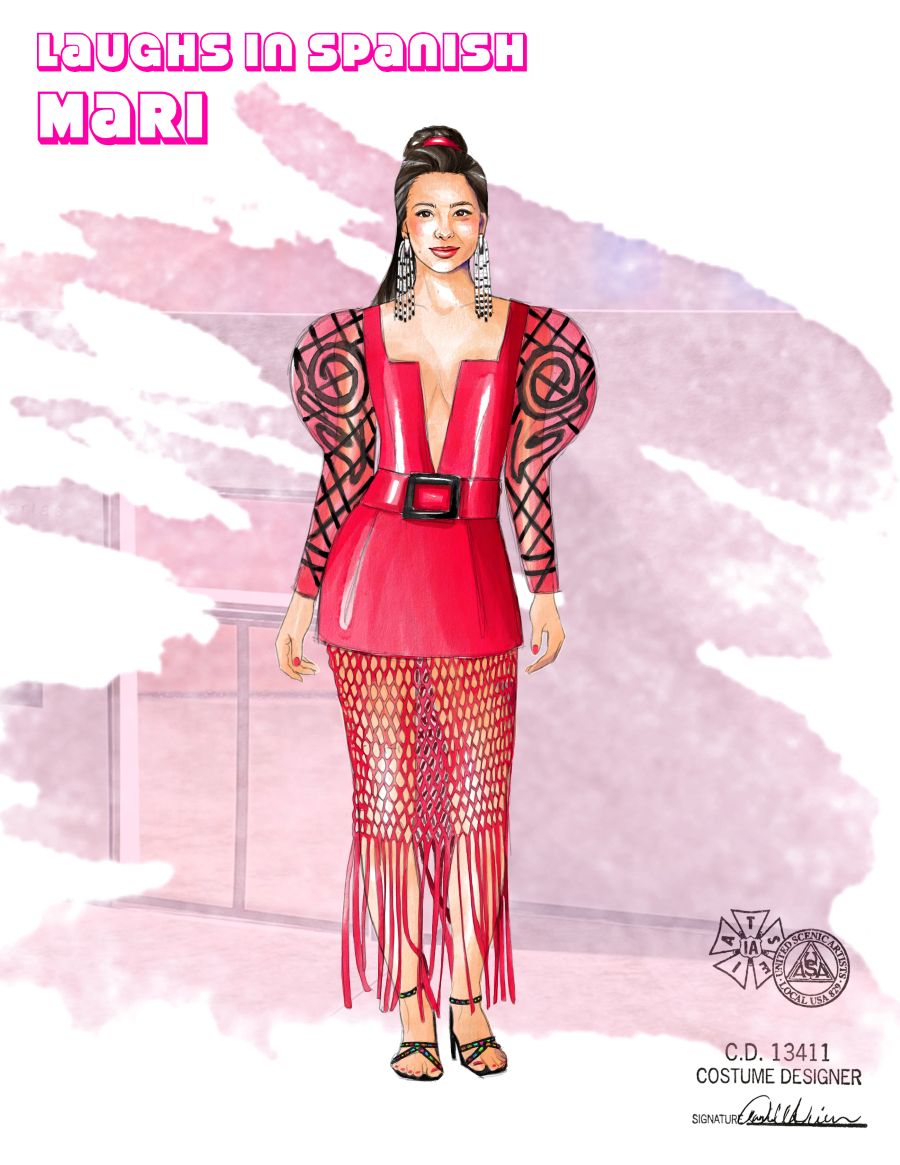
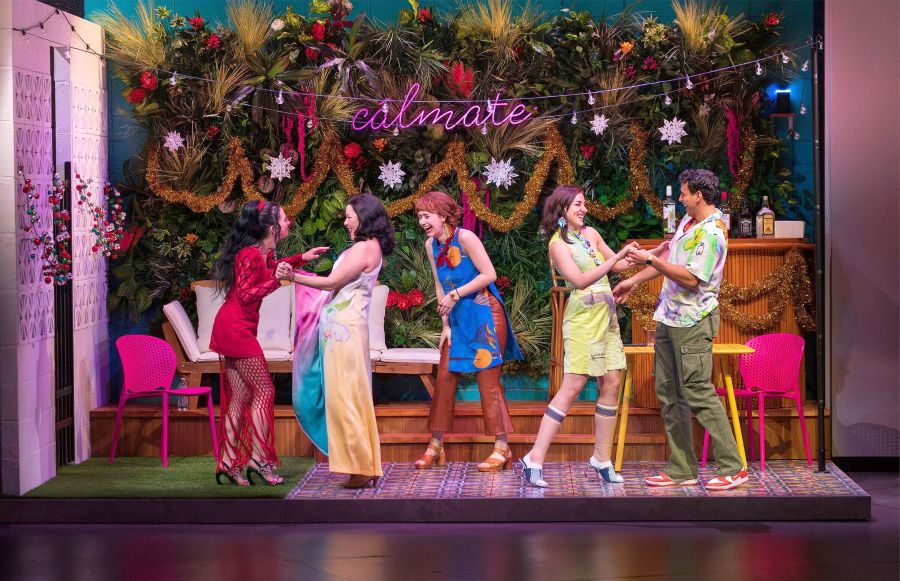
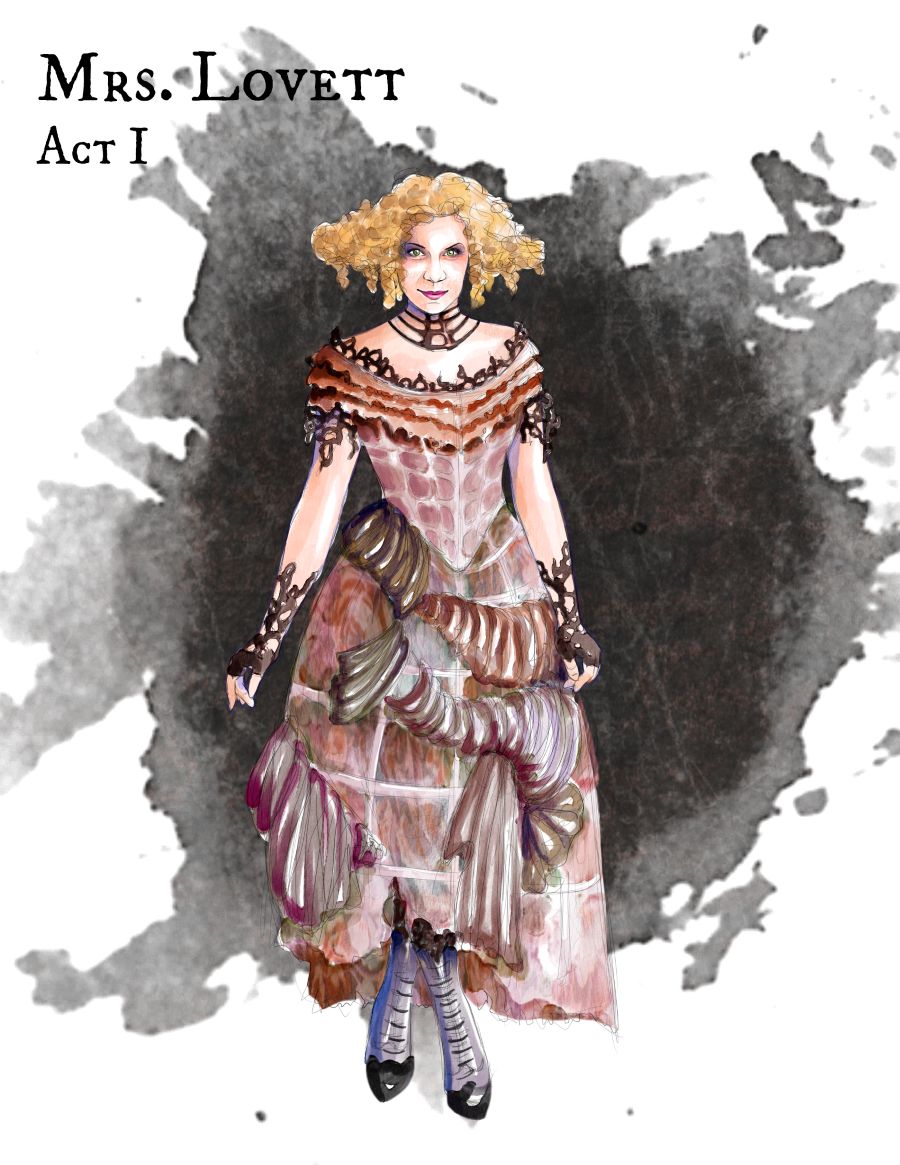
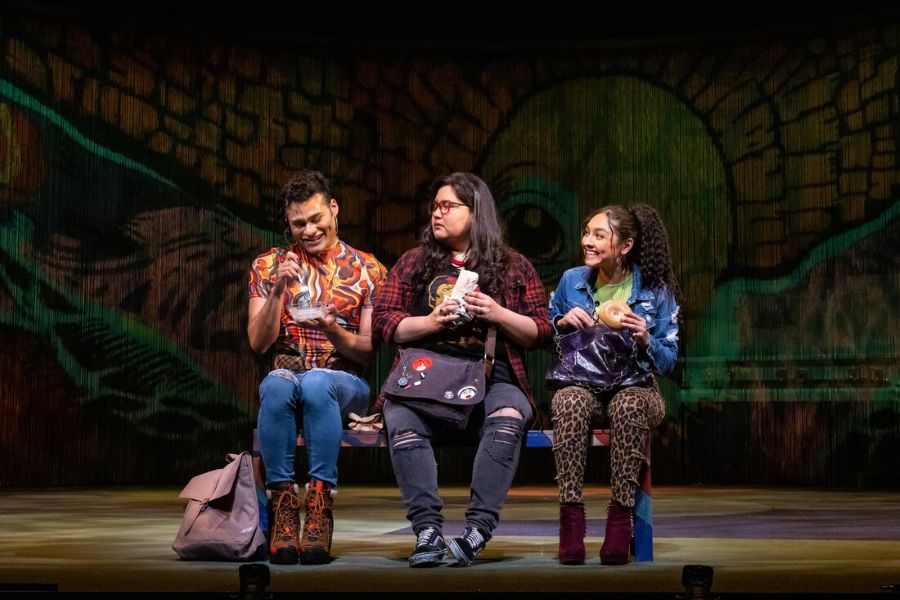
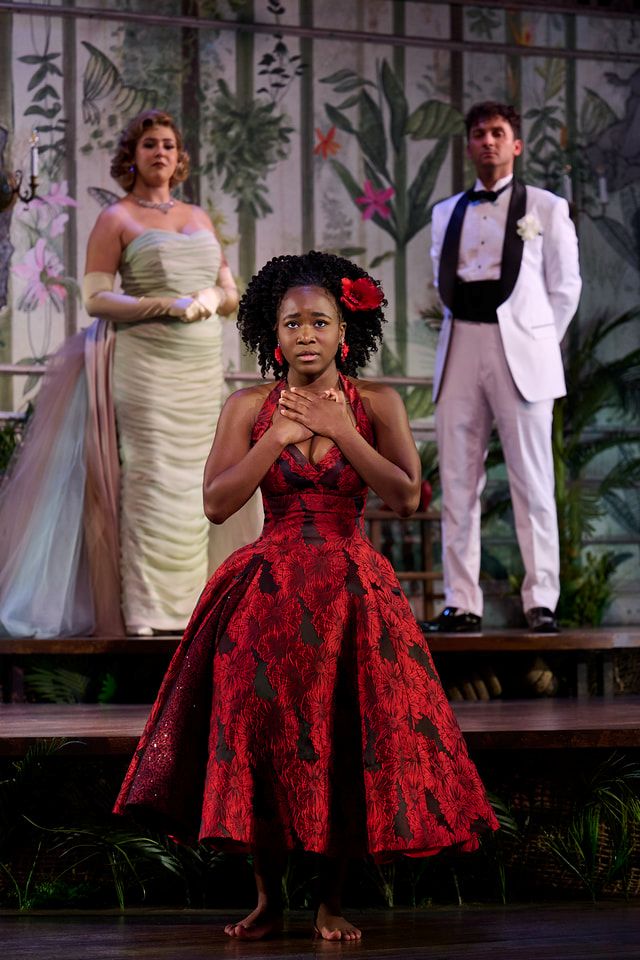
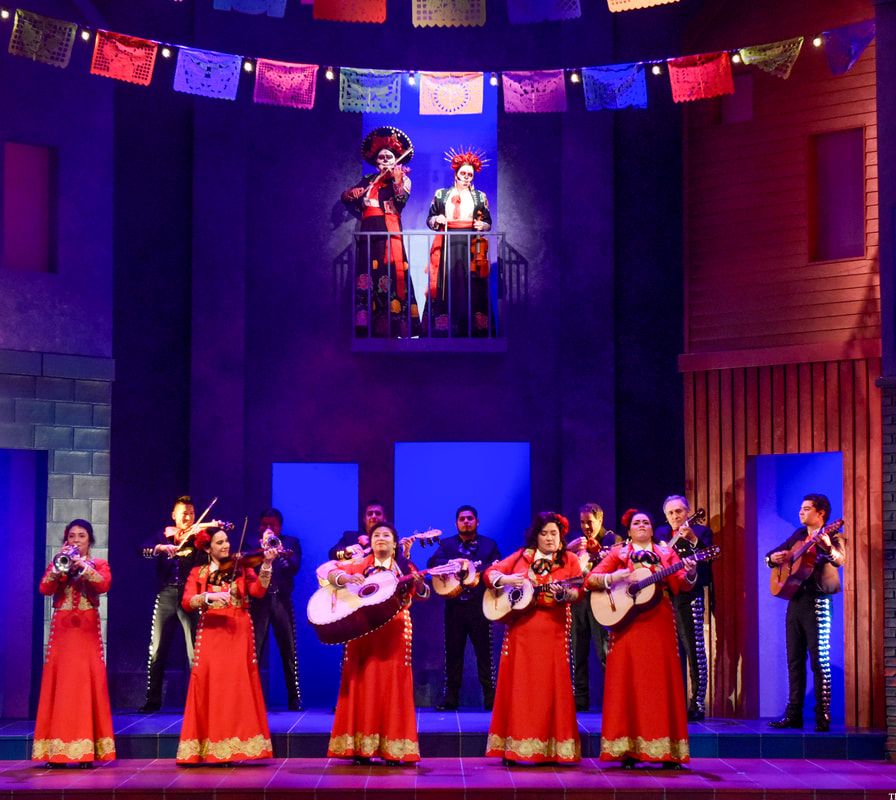
Nieves went on to receive her BA in Theater Design from Middlebury, and later her MFA in Costume Design from the University of California, Irvine. Now, her designs have been seen on stages around the country, from companies like Seattle Rep in her home city to Minneapolis’s Children’s Theatre Company, where she’s currently working as costume designer for the bilingual Go, Dog. Go! • Ve Perro ¡Ve! (Jan. 20-Feb. 22, 2026). Nieves is also looking forward to May, when The 5th Avenue Theatre’s Jesus Christ Superstar (May 2-17, 2026), with costumes designed by Nieves, will take the Seattle stage.
“I’m excited for the challenge of designing these larger-than-life, mythic figures,” Nieves said, “and finding ways to fuse both a timeless and contemporary quality into their costumes.”
Earlier this month, I had a chance to check in with Nieves about her work, her inspiration, and the advice she’d give to folks looking to trod the same path.
JERALD RAYMOND PIERCE: What is the design or project you’re most proud of?
DANIELLE NIEVES: This is a tough question, because I am proud of what I and my teams have accomplished on all of the productions I’ve worked on, even the challenging ones. If I had to choose one, it would be Real Women Have Curves at Dallas Theater Center, directed by Christie Vela back in 2019. It was my first professional show at a LORT theatre. I was super nervous. My imposter syndrome was in full force. For those unfamiliar with this play, the story revolves around five Xicana women in the 1980s who work in a sewing shop.
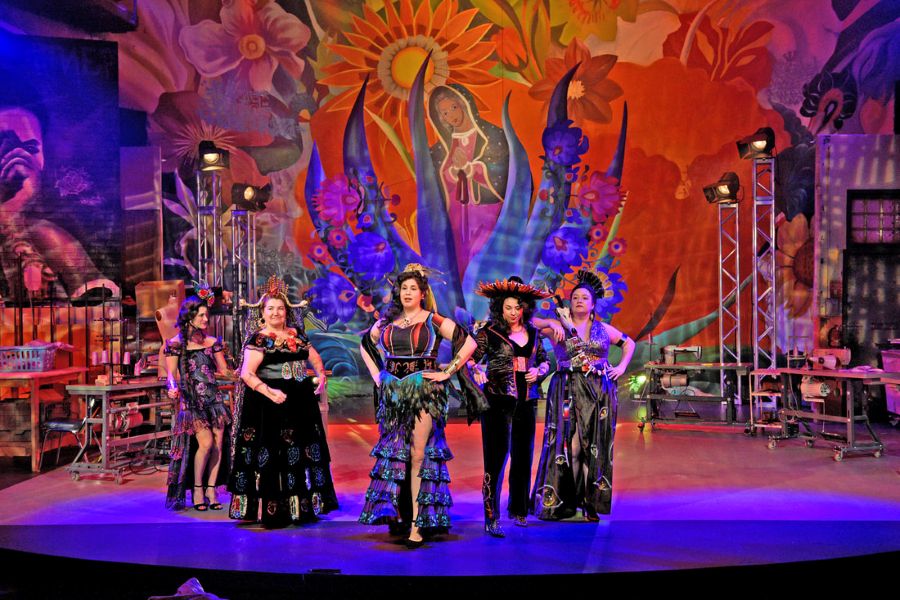
In many productions, at the end of the play, the characters walk out onto the stage à la a fashion show. They wear the expensive dresses that they’ve been sewing during the play, but the dresses are fitted to them. They look fabulous. The director told me, “Instead of the clothes we’ve already seen, I want them to come out in Mexican folk wear meets horror meets Alexander McQueen.” I was psyched about this vision—a design challenge dream! I’m not sure I met the mark of the late great Alexander McQueen, but I definitely tried!
I am Mexican American on my father’s side, so I have some familiarity with Mexican art and folk wear, but this project prompted so much incredible research and inspiration to include Mexican women archetypes and pre-Columbian symbology. My largest inspiration was taken from velvet paintings that my family members had in their houses. Velvet paintings have a rich history in Xicanx culture. I had once been told that velvet paintings were “kitsch,” and so, in an effort to flip the script, I designed the finale clothes in black velvet that was beautifully painted by the DTC costume shop. The outfits ended up with a lot of symbolism and cultural easter eggs, and we hopefully proved that there is nothing “kitsch” about Xicanx art and expression.
I was lucky enough to see a student preview with largely Latine students. When the finale started, the set transformed to show a giant mural of La Virgen De Guadalupe and the students began to bless themselves. As the actresses began their finale fashion show, the students erupted into screams. The tangible power of representation in art and culture continues to drive my creative practices. This moment was the proudest I’ve been in my career, and why I love what I do.
What’s your dream project (theatre or otherwise)?
Well, now that Real Women Have Curves is a musical, I feel like that should be my answer (mostly joking). I would love to design a contemporary dance piece. While many plays and musicals have a lot of dancing, a dance piece is a whole different ball game. It would be a wonderful challenge to design on a more abstract scale where emotions and ideas need to translate, without words, into a purely visual and non-verbal experience. I would particularly love to design a Crystal Pite piece, whose choreography is unlike anything I’ve ever seen. I love learning new skills, and designing for dance would push me to reimagine my own artistic habits.
What’s a common misconception about the work you do? Either something non-theatre folks don’t understand or that fellow theatre folk don’t quite grasp.
When non-theatre folks find out I’m a costume designer, they tend to assume that I alone make all of the costumes. My usual explanation is, “I’m more like an architect and I work with a construction team.” There is such a large team of incredible artists whose work goes into just one costume: designers, shop admin, tailors, drapers, craftspeople, hair and makeup artisans, and wardrobe teams who all help to put clothes onstage.
Another common misconception is that collaboration and the design process only happens within the design and director team. The design process expands much further to include collaborating with all of the support teams and artisans who build the costumes. So many people I work with have years more experience and expertise than I do. I love it when other costume folks come to me with ideas and solutions that I never would have thought of. I learn so much from my colleagues and it’s important that my work is never done in isolation at any point in the process.
What advice would you give to students or early-career theatremakers who are interested in a career in design?
I think that the theatre industry is yearning for changemakers and convention breakers. I would encourage early-career designers and students to design for the world they want to see; there is much to learn and also much to unlearn. For costuming in particular it’s easy to fall back on visual shorthands that can perpetuate harmful stereotypes. For example, dressing antagonists in darker colors or using soft shapes and curvature in clothing to signal that characters are powerless and naïve. How can upcoming designers upend these common patterns?
My second piece of advice would be that it’s important to remember that it takes an entire team to put a design onstage. The team includes managers, shoppers, cutters, drafters, props/crafts, backstage, wardrobe…the list goes on! The production team needs varied and specific skills. Learning at least a little bit of what each role in production does, such as construction or even Excel (so many Excel sheets!), opens up more opportunities for work and strengthens your collaboration skills. Working in other roles outside of design is not only practical but it also keeps your skills fresh and your perspective flexible. In particular, having construction knowledge and a foundational understanding of textiles as a costume designer can help better your designs and make conversations with cutters more fluid. More skills absolutely equate to better design choices and more opportunities in this field.
What’s an artist or a piece of art that’s inspiring you right now?
The artist who inspires so much of my work is the artist Judithe Hernández. She is a founding member of the Chicano Art Movement in the 1970s. Her art often centers social realism and gender roles. Her pastel paintings and her use of vibrant, haunting color and Indigenist imagery have deeply influenced my work. In fact, I am inspired by her work every day; her pastel painting “The Unknown Saint” has been my laptop background for years. One time a colleague saw “The Unknown Saint” on my laptop and said, “That looks like your work!” It made me realize just how deeply Judithe’s work has inspired mine, and I was proud to have (maybe) managed to capture some of the energy in my designs of an art piece I have admired for so long. If you are reading this, Judithe, your art is breathtaking. Thank you for shaping my artistic voice!
Jerald Raymond Pierce is the managing editor of American Theatre.
More From AT Editors' Columns
Support American Theatre: a just and thriving theatre ecology begins with information for all. Please join us in this mission by joining TCG, which entitles you to copies of our quarterly print magazine and helps support a long legacy of quality nonprofit arts journalism.