A friend recently asked me “about the whole fatherhood thing,” in his words. He and his partner were weighing the pros and cons of having children, and he wanted to know how it was working out for me. Apart from sharing my generally upbeat outlook on the subject, one thing I told him was that his asking me about it at all was a kind of answer in itself: If he is considering it seriously enough to ask a dad friend for advice, that is very likely the path he’s headed for.
I’ve always felt similarly about the question of training in the arts. Those who seek counsel from veterans or experts on whether to pursue a degree, or some other course of study, instinctively know that they want to continue growing as an artist. From there, of course, it’s not so much a question of to train or not to train; it’s down to choosing which program or apprenticeship or entry-level job to apply for. This decision point is especially acute in the performing arts, given both the painful contraction of the theatre industry—an implosion that has correspondingly spread to jobs in academia—and the metastasizing cost of higher education. Surely some kind of training is essential to any skill, but when the marketplace for your skills is shrinking, what exactly are you training for, and at what cost?
In this, our annual training issue, we examine this quandary from a variety of angles. Rosie Brownlow-Calkin looks at the question of repertoire: which plays and musicals college theatre departments are programming, and what lessons those selections are supposed to impart to students. Allison Considine (who also pens a must-read newsletter for us, AT Education Monthly) has some eye-opening check-ins with 2024 graduates about how they’ve fared in the past year-and-a-half. And KJ Sanchez, who leads the directing program at the University of Texas at Austin, reflects on the relative health of theatre MFA programs, and the needs they are meant to serve, both for students and institutions.
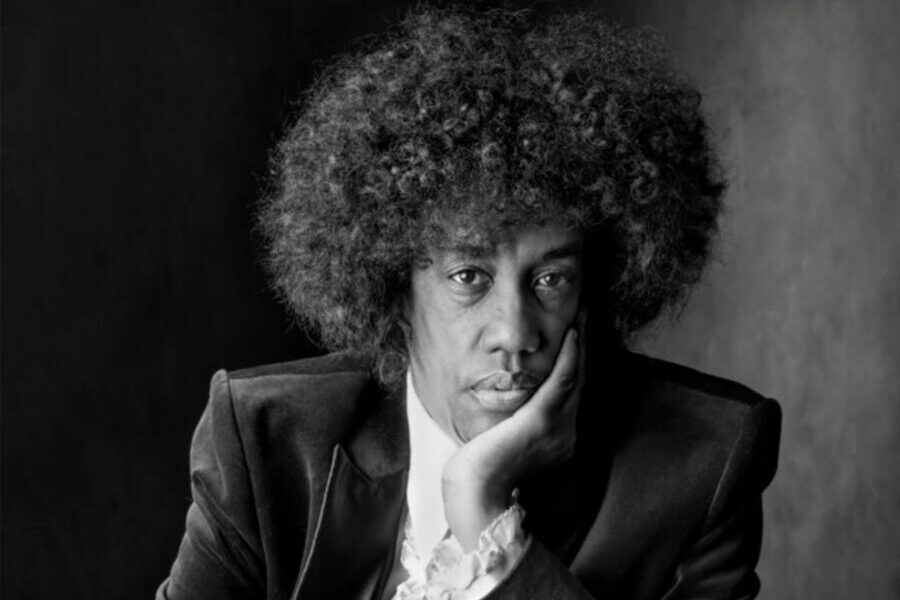
For Dallas playwright Jonathan Norton, profiled by Katy Lemieux, it was a playwriting teacher at the city’s elite performing arts high school, Booker T. Washington, who directed him and his talents toward the theatre. (Norton’s later degree: a master of liberal studies from Southern Methodist University.) Indeed, for most folks (myself included), the path to the performing arts starts well before college, which is one reason that digital editor Gabriela Furtado Coutinho has compiled a list of opportunities and competitions high school theatre students can apply for.
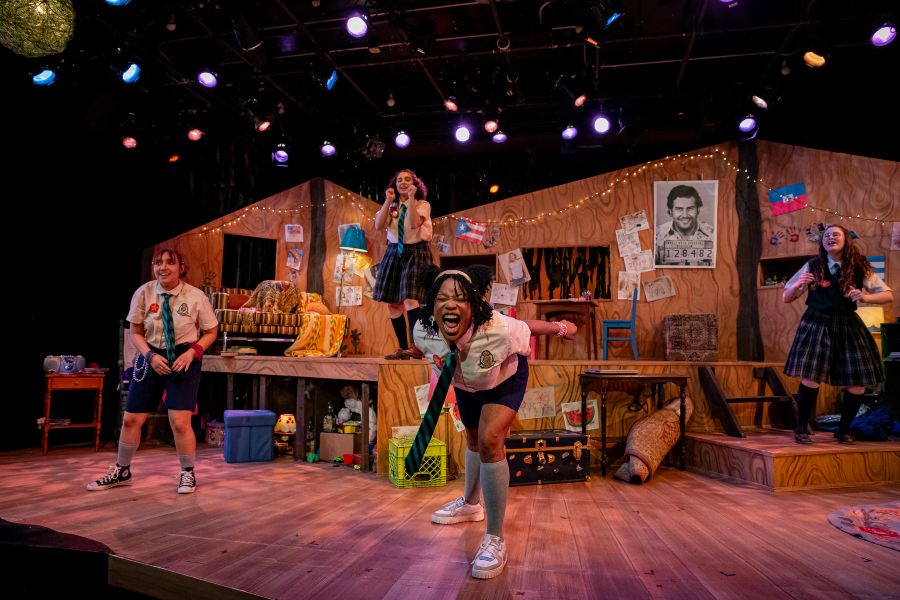
In the U.S. today, these same students face a sobering, even enraging reality: that firearm-related injuries remain the leading cause of death for kids aged 1-19. That horror finds expression in Emily Kaczmarek’s remarkable play Soft Target, published in full in this issue. This is not an easy subject matter for a writer to dramatize or an audience to receive, but Kaczmarek has somehow found a way to translate her anger and concern into a piece of extraordinary playfulness and wrenching catharsis.
A theatrical wringer of a far less serious kind is the subject of managing editor Jerald Raymond Pierce’s Production Notebook on Paranormal Activity, a rollicking new stage version of the popular horror film franchise, which is having a bit of a national moment. Like Jonathan Norton’s new play Malcolm X and Redd Foxx Washing Dishes at Jimmy’s Chicken Shack in Harlem (say that fast three times), Paranormal will be seen at a number of theatres through the 2025-26 season. Both exemplify an increasingly predominant co-producing model that functions both as a way for theatres to cut costs and as a means to spread the artistic wealth. That is the industry today’s theatre students are training for—which, if they learn well and persevere, they will also have a chance to transform.
Rob Weinert-Kendt (he/him) is editor-in-chief of American Theatre.


Support American Theatre: a just and thriving theatre ecology begins with information for all. Please join us in this mission by joining TCG, which entitles you to copies of our quarterly print magazine and helps support a long legacy of quality nonprofit arts journalism.