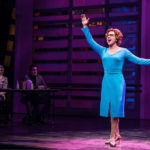
Maybe, Maybe Not: A Casting Controversy and the Conversation It’s Started

An Asian American theatremaker reflects on the intent and impact of Broadway’s ‘Maybe Happy Ending,’ and the precedent its latest casting decision may set.

An Asian American theatremaker reflects on the intent and impact of Broadway’s ‘Maybe Happy Ending,’ and the precedent its latest casting decision may set.
From its casting to its staging, the acclaimed new Broadway revival of the iconic rock musical misses opportunities to engage with, and subvert, harmful tropes around Deafness and disability.
This enduring mother-daughter story about undocumented Latina immigrants has been turned into a celebratory crowd pleaser, for better and worse.
David Byrne’s Broadway musical is a breakthrough for Filipino American performers, but at what cost to the historical truths it dances around?
It’s long past time to rethink the beloved musical’s whitewash of Anna Leonowens, a mixed-race woman whose books lied about more than just her background.
The problem with young adult shows on Broadway isn’t that they focus on teens—it’s which teens they focus on.
The new musical’s creators think they’ve upended the material’s sexist tropes; apparently they don’t see that ‘man in a dress’ jokes are inherently transphobic.
The musical by Cole Porter, Bella Spewack, and Samuel Spewack started out more female-focused. What happened?
Is this really the right time for a spate of male-authored, male-directed musicals about subservient women to come to Broadway?
It’s not just that the hit musical doesn’t tell my family’s story. It’s that it perpetuates a narrative in which the Vietnamese are victims, not fighters.
Each gift is a stitch in the tapestry that celebrates our resilience, strengthening theatre nationwide. Add your thread today.